
Click the link below the picture
.
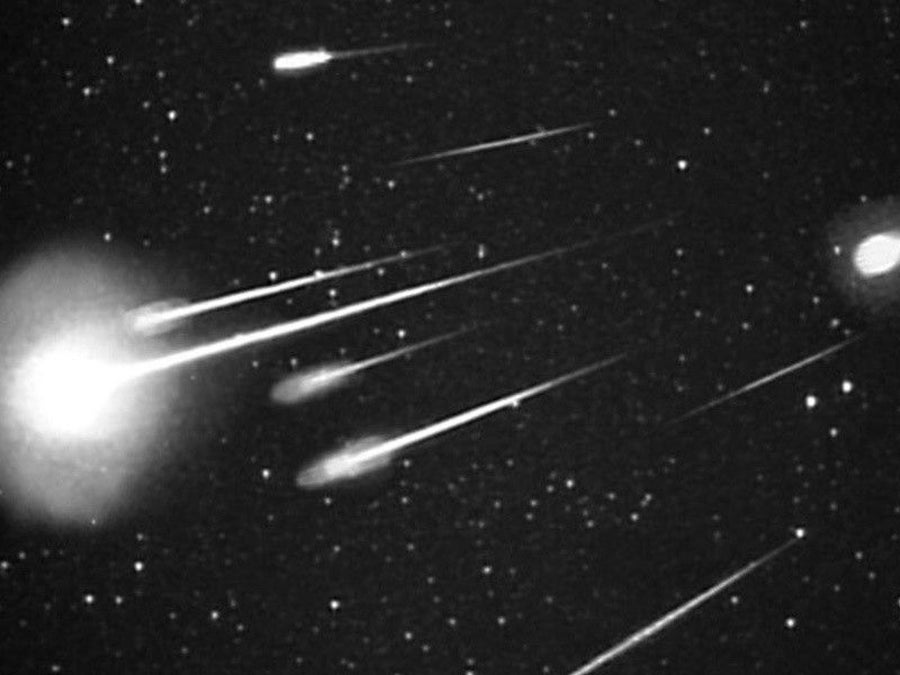
A massive fireball streaked through the evening sky over Europe on Sunday, showering at least one German town with debris and triggering an investigation into the size of the object.
The European Space Agency’s Planetary Defense team, which is leading the investigation, currently estimates that the fireball was a few meters in diameter. Apparently, the event was audible from the ground, and the fireball was visibly glowing for about six seconds. Falling debris from the meteor damaged a house, according to the agency, but there are no reported injuries.
For comparison, a large meteor that fell over Chelyabinsk Oblast in Russia in 2013, was 18 meters in diameter. It exploded during its descent about 30 kilometers (18.6 miles) above the ground, showering the surrounding area with debris and triggering a shockwave that shattered the windows of houses, injuring many. Scientists estimated that it had the same explosive power as about 440,000 tons of TNT, according to NASA.
Because of the timing of Sunday’s event and the direction the meteor was traveling in as it fell, the European Space Agency doesn’t think any of the large-scale telescope sky surveys that are designed to scan for these objects would have caught it.
It’s unclear where the fireball came from; these falling space rocks are often debris from passing comets and asteroids. When these rocks enter Earth’s atmosphere at speed, they burn up—the bigger the rock, the brighter the burn. If any bits of a meteor survives the journey through the atmosphere to hit the ground, then it becomes a meteorite. Unless they are very large, meteors typically break apart in the atmosphere, as the fireball over Europe did on Sunday.
.
 NASA
NASA
.
.
Click the link below for the complete article:
.
__________________________________________
 James' World 2
Mar 12, 2026 @ 06:37:15
A fascinating and informative post. The way you explain the fireball event and place it in context with the Chelyabinsk meteor makes the topic easy to understand and even more intriguing. It’s amazing to think about how these cosmic events briefly connect our everyday world with the vastness of space. Thank you for sharing such an interesting scientific update.
LikeLiked by 1 person
Mar 12, 2026 @ 08:24:55
Thank you sir, it’s a scientific American article 😀
LikeLiked by 1 person