
Click the link below the picture
.
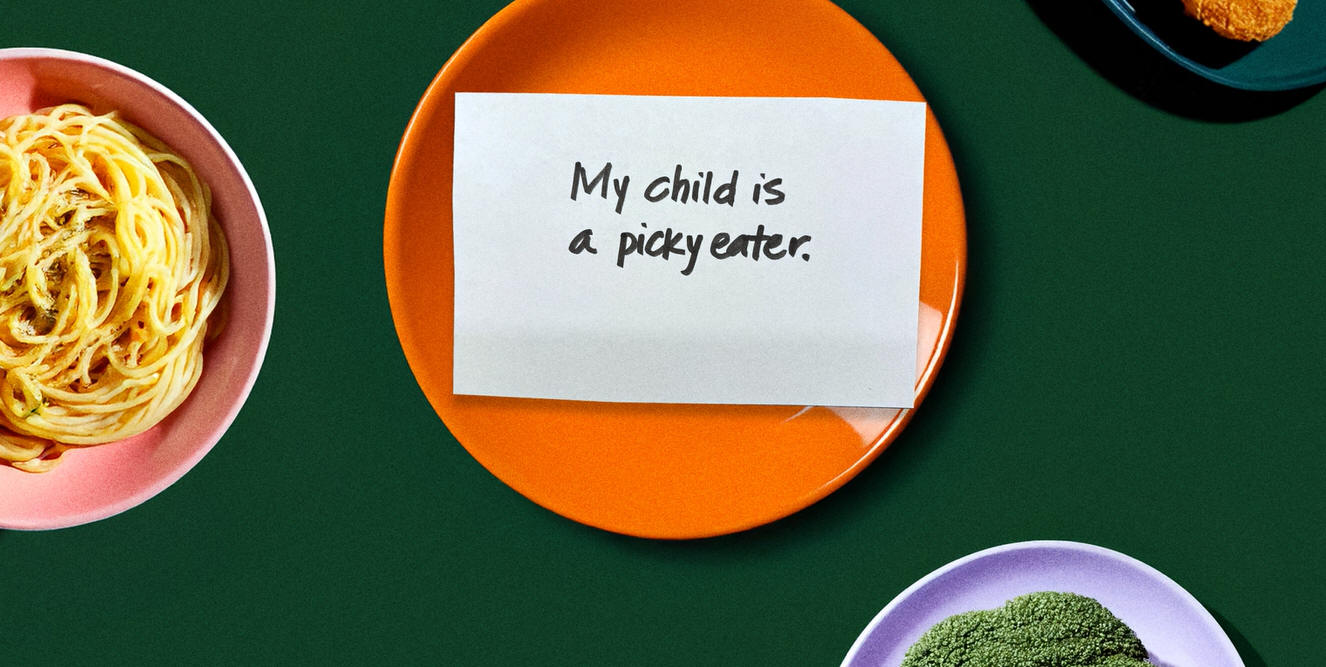
In my work with parents who are caring for a child with an eating disorder, I’ve become keenly aware of the language we use when talking about kids and food. Our words can shape our attitudes and beliefs, our identities and anxieties. And the familiar phrase “picky eating” — with its undertones of disapproval and even blame — has always left a bad taste in my mouth.
“Picky eating” lacks an actual definition and is so vague it can describe a child who isn’t a fan of bitter vegetables, one who isn’t getting enough nourishment to grow, and everything in between. It’s become an abstract you-know-it-when-you-see-it phenomenon. But because our current perceptions of pickiness are so heavily shaped by diet culture and ableism, almost no family feels like they’re measuring up.
We’ve come a long way since the days of routinely categorizing foods as “good” or “bad.” But with an increasing focus on avoiding or addressing so-called pickiness, I worry we have simply shifted from vilifying foods to vilifying children themselves.
“I don’t believe there is any such thing as a picky eater because we are autonomous people and we are all entitled to our flavor and texture preferences,” says Dani Lebovitz, a pediatric registered dietitian based in Nashville. “If a child doesn’t want to eat something or they say they don’t like something, it’s not because they’re picky. They’re learning about their taste buds, their flavor preferences, and texture preferences.”
We honor adults’ idiosyncratic food selections all the time — watch anyone order a drink at Starbucks — but we’ve been taught to be suspicious and critical of children’s tastes.
Kids aren’t choosing to be choosy.
Perhaps the most pernicious myth about picky eating is that a manipulative child is exploiting weak, permissive parents. “It’s a loaded term that implies it’s potentially a hostile choice or an acting-out of some kind,” says Vera Hough, a mother of four in New Jersey who vividly recalls her own eating differences as a child. “I definitely was on no level looking for attention, trying to make trouble for other people, getting extra work out of other people. I literally was frightened, threatened, and disturbed by the tastes and textures of a lot of foods.”
Her parents were able to respond to her sensory needs in ways some feeding influencers might criticize as catering to a child’s unreasonable demands. “When my mother made grilled cheese for everyone for lunch, she made me a tuna fish sandwich, and I ate it in the car in the garage, so that I did not have to smell everyone else’s grilled cheese. My mother accommodated these things. They did all the things you’re supposed to do in terms of offering things from time to time, but didn’t make a big deal or a power play out of it.”
It’s time to ditch the parent blame.
While Hough feels grateful her needs were met and she wasn’t shamed for her way of eating, she developed a whole new perspective on feeding challenges when her youngest child struggled to eat after experiencing medical trauma. Even though she knew her son’s barriers to eating were not her fault, she still felt the sting of stigma and unrealistic expectations. “For some reason, it’s a mother’s entire responsibility to get her child to eat. And, by the way, doctors make you feel like sh*t about that.”
This immense pressure on parents, especially moms, to orchestrate some version of idealized eating is not only unrealistic but counterproductive. “When a child’s eating is painted as a problem, parents are charged with fixing it. And it can become a source of extreme stress, as the label ‘picky’ typically implies that the child is being stubborn or they’re being difficult by choice,” says Naureen Hunani, a registered dietitian in Montréal who specializes in working with neurodivergent children and their families.
Despite what social media brag posts or your aunt’s side-eye might lead you to believe, the way children eat “is not a gauge of the quality of parenting that you are doing. Some kids just struggle with food, and it has nothing to do with parenting. It’s actually heavily influenced by genetics,” notes Taylor Arnold, Ph.D., a pediatric dietitian in Gilbert, Arizona. A robust twin study recently provided strong evidence that a child’s approach to food is largely innate.
Parents aren’t to blame for a child’s eating challenges, but at the same time, we aren’t powerless, either. By rejecting conventional ideas about picky eating, we actually have a better chance of fostering a positive relationship with food.
The label can obscure the real reason a kid struggles with food.
False assumptions about pickiness not only fuel guilt and tension but can also mask what could really be going on for a child. “Our kids are communicating to us that there’s something they’re struggling with, whether they’re overstimulated, their sensory needs are not being met, whether it hurts to swallow, whether they have a stomachache because they’re constipated. And if we see a kid as picky, we could be missing things,” says Arnold.
When parents have a gut feeling an underlying physiological or neurological difference may be a factor in their child’s eating patterns, even medical providers can make the mistake of dismissing the behaviors as a “picky-eating” phase. Well-meaning pediatricians have even suggested parents withhold a child’s preferred foods and present only “healthier” options under the false assumption that no child will starve. Tell that to a family whose kid ends up needing a feeding tube.
“We know there are children who would rather starve than eat something that they have such an aversion to. In the moment, that is what makes them feel safest,” says Hunani.
And because diet culture makes us think only certain kinds of strong preferences are problematic, it’s easy for parents and doctors to miss early warning signs of anorexia or other eating disorders. Children who become particular about the perceived healthiness of food are more likely to be praised than be assessed for eating problems.
.
.
.
Click the link below for the complete article:
.
__________________________________________
 James' World 2
Leave a comment