
Click the link below the picture
.
President Donald Trump’s military operation to capture Venezuelan President Nicolás Maduro is flatly illegal under international law and almost certainly illegal under federal law—an unauthorized use of force against a foreign nation that pushes executive power past its breaking point. Yet there is no real chance that the courts will curb it, even as the mission evolves into a possible occupation of Venezuela and an expansion of hostilities to its neighbors. Nor is there any signal that Congress will impose restraints on what appears to be the dawn of a new conflict overseas, surrendering its constitutional war powers to Trump without objection. And even if Congress does try to assert its authority to oversee (or end) military action in South America, it will face an uphill battle in a judiciary that persistently favors the commander in chief.
This inversion of our constitutional order sets a perilous precedent that even many celebrating Maduro’s fall may come to regret. It marks the death knell of the post–World War II settlement that, however imperfect, wrestled the anarchy of war into a framework designed to condition armed aggression on legal justification. The executive branch’s consolidation of power now reverberates far beyond the United States’ shores as a saber-rattling president abandons any pretense that the law can constrain his resort to military force. Indeed, the legal theories the administration has floated to defend its actions draw on a historical source Trump once disavowed: the arch-interventionist claim that the U.S. has an inalienable right to police the world.
It is difficult to tally all the ways in which the Maduro operation was illegal, but start with a point that few dispute: This act violated international law. Trump’s invasion of Venezuela to capture its president cannot be squared with Article 2(4) of the U.N. Charter, which bars member nations from deploying “the threat or use of force against the territorial integrity or political independence of any state.” This principle—the most important rule of international law today—should bind the United States, which ratified the charter in 1945. And it clearly prohibits the American government from invading another country to make an arrest.
.
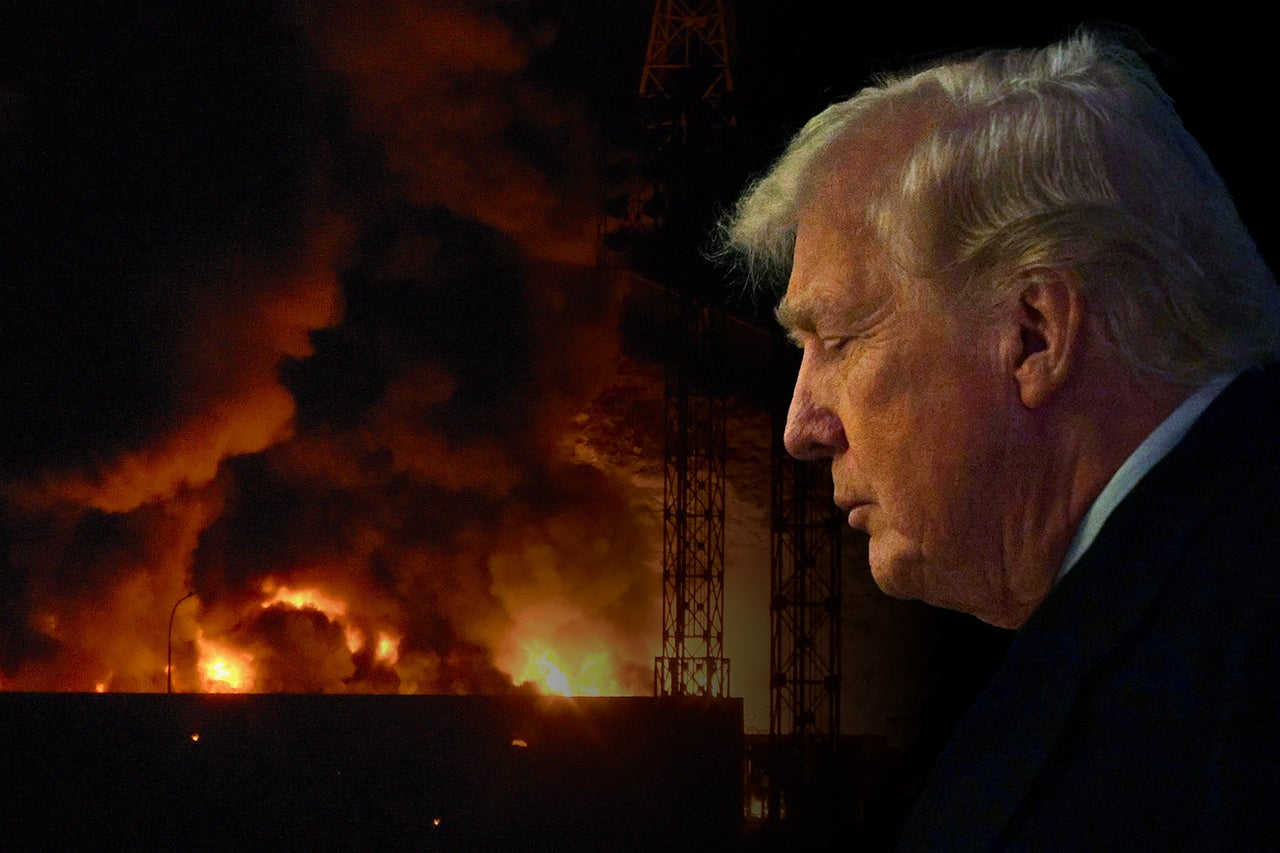 So what is the government’s legal defense of its military incursion into Venezuela? Photo illustration by Slate. Photos by Alex Wong/Getty Images and Luis Jaimes/AFP via Getty Images.
.
.
Click the link below for the complete article:
.
__________________________________________
 James' World 2
Leave a comment