
Click the link below the picture
.
A home safe lets you keep your important information and small valuables in one convenient, private, burglar-proof location. Spend more for a fire- and water-resistant safe, and you can keep these items secure in most catastrophic events.
A break-in, flood, or house fire can cause you to lose things that can’t be easily replaced: Private and personal data, documents, electronics, heirlooms, and keepsakes. Especially if you are in a place prone to natural disasters like hurricanes and wildfires, you should consider moving these nine things into a home safe and out of your safety deposit box, wallet, and drawers.
Why a home safe and not a safe deposit box at a bank?
There are many reasons why a fireproof safe at home is preferable to a bank box. It’s not a good idea to store original copies of documents you may require immediate access to, such as passports, in a safe deposit box.
Bank safe deposit boxes are only accessible during branch operating hours and are typically sealed when the bank receives a death notice. To open a sealed safe deposit box, estate representatives must provide court papers to the bank.
FDIC insurance does not cover cash in a safe deposit box. The FDIC only insures the deposits in bank accounts, but not the contents of their safe deposit boxes.
Tip: Items in your home are typically covered by your renter or homeowners insurance policy, and the contents of a bank safe deposit box are rarely covered.
What should you store in a fireproof safe?
This is just a selection of the precious objects and important documents that many people have lying around the house or otherwise stored inappropriately that could cost a lot of time and money to replace. Installing a fireproof, waterproof safe now might prove more cost-effective than replacing all these items (and dealing with the hassle of insurance companies).
1. Safety deposit box keys
While we’re suggesting moving some items into a home safe, you may still keep other items at the bank. So, if you do store valuables in a bank safe deposit box, you’ll want to make sure you keep the keys to it in a secure place.
Tip: Keep copies of car and house keys. They aren’t expensive to replace (unless you lose your last copy, of course), but in the wrong hands, they provide easy access to your home, car, garage, and shed.
2. Cash and credit cards
The most obvious item to keep in a safe, after safe deposit box keys, is cash. Even if you only keep small amounts around the house for emergencies, it’s better off somewhere protected instead of in a sock drawer.
Infrequently used debit cards, credit cards, and key cards — these little bits of plastic easily melt and get lost without notice. Carry only the cards you use; you can’t lose what you don’t have in your purse or wallet.
3. Social Security cards, passports, and original birth certificates
COVID-19 shutdowns keep many people from accessing important identifying documents, such as passports and birth certificates, that were stored in banks. While these documents certainly need to be secured, they shouldn’t be anywhere you can’t access them readily. After all, these documents can be a hassle and time-consuming to replace.
Passports and original birth certificates are essential to proving your identity, birth date, and citizenship, and can also stand in for all ID purposes if your wallet or purse is stolen or lost. Your Social Security card is vital to establish eligibility for benefits.
Tip: When traveling abroad, experts advise carrying a photocopy of your passport and leaving the original in a hotel safe.
.
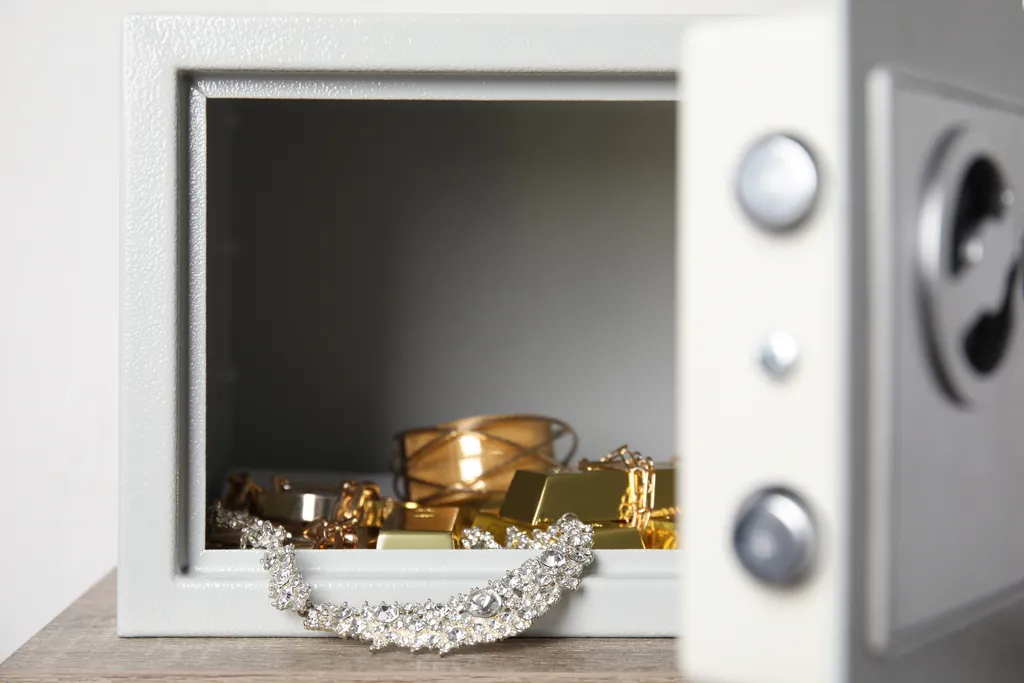 (Image credit: Getty Images)
.
.
Click the link below for the complete article:
.
__________________________________________
 James' World 2
Leave a comment