
Click the link below the picture
.
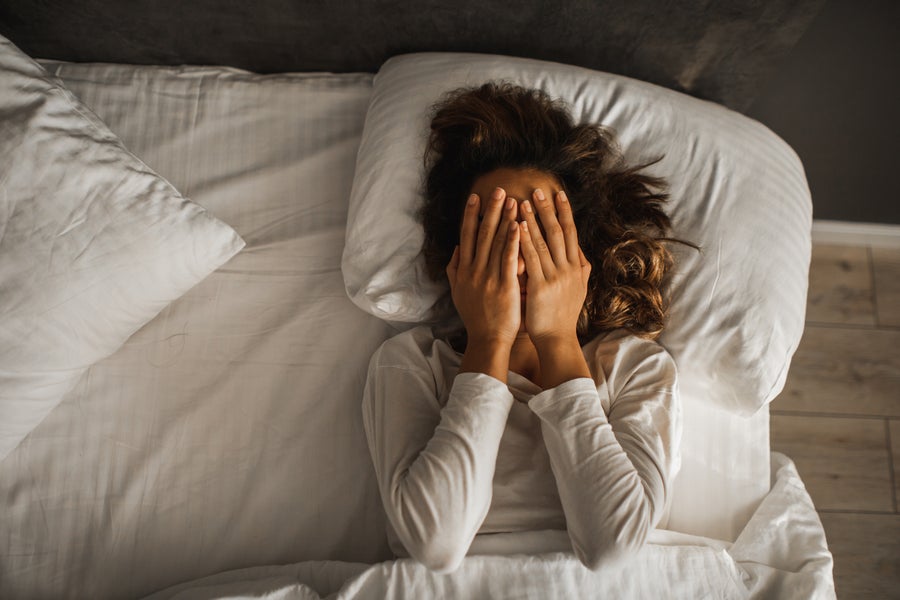
As many as 70 million people in the U.S. have problems with sleep, and many are increasingly turning to melatonin supplements to help them fall asleep. People generally perceive these over-the-counter gummies, liquids, and tablets as harmless. But recent research has raised new questions about whether the popular sleep aid is as benign as people assume, especially the longer it’s used.
How does melatonin work in the body?
Melatonin is a hormone that humans naturally produce, as do all other mammals, including bears, and birds. It regulates the body’s circadian rhythm, the 24-hour biological “clock” that influences when we are sleepy or awake and alert. The body’s melatonin levels fluctuate in response to light—the brain’s control center for sleep suppresses levels during the day and boosts levels at night. As the hormone circulates in the bloodstream, it tones down the signals that keep us awake, but it doesn’t cause sleep, says Jennifer Martin, a psychologist at the Florida International University. Instead of acting like a sedative, melatonin sends the body biological signals that it’s nighttime.
What are melatonin’s short-term side effects?
Melatonin supplements are generally considered safe, but some people do report headaches, dizziness, or nausea after exposure. Taking too much at one time can disrupt sleep rather than improve it. Too much of the drug may also trigger something akin to a melatonin hangover the next day: lingering amounts in the blood can cause grogginess and tiredness.
Supplements are sold with doses that are “much, much higher than anybody is naturally producing,” says Jamie Zeitzer, a sleep specialist at Stanford University. The hormone is commonly sold in five-milligram concentrations, though some “extra strength” products say they contain up to 40 milligrams.
“More isn’t better,” Martin says. “For a lot of people, a small dose is the most beneficial.”
Getting the right amount can be tricky. While the melatonin used in supplements is chemically identical to that produced in the body, the actual amount of the hormone in these products may not match what’s on their label. Some over-the-counter products contained anywhere from 80 percent less to about 470 percent more melatonin than advertised, a 2017 study found. Melatonin is sold as a supplement, which means such products reach the market without the Food and Drug Administration first evaluating their safety or production standards. Shalini Paruthi, a sleep medicine physician at John J. Cochran Veterans Hospital in St. Louis and spokesperson for the American Academy of Sleep Medicine, says to look for U.S. Pharmacopeia–certified products, which are tested for the quantity of their listed ingredients.
How does long-term melatonin use affect health?
At a conference in early November, researchers at SUNY Downstate Health Sciences University and their colleagues presented an analysis of U.K. medical records that raised concerns about long-term melatonin use. Almost 5 percent of 65,414 adults with insomnia who took melatonin for at least a year experienced heart failure (whereas almost 3 percent of those who did not take the sleep aid did so). People who took melatonin for at least a year were also more than three times as likely to be hospitalized for heart failure and nearly twice as likely to die from any cause compared with those who had no medical record of taking melatonin.
But some experts believe the findings, which have not yet been published or peer-reviewed, might say more about the consequences of poor sleep rather than melatonin use. “I don’t see a very good reason for melatonin to be directly involved in [heart failure],” Zeitzer says. Bad sleep is more likely putting extra pressure on the cardiovascular system, he says. Chronic insomnia is already known to be related to a higher risk of cardiovascular disease, metabolic dysfunction, and issues with memory, learning, and mental health. A more likely explanation for the new study’s trends is that people with poor sleep are relying on melatonin, which might not be helping them, Martin says.
Other long-term studies haven’t found evidence that melatonin harms the heart. But there isn’t much substantial, long-term safety data for melatonin.
Is melatonin safe for children?
Parents are increasingly giving their children melatonin to help with sleep. Evidence suggests it can make a real difference for some children with neurodivergent conditions. Many autistic kids, for example, have a harder time falling—and staying—asleep. That may be because they produce melatonin differently, releasing it later in the evening or in lower amounts than usual, Paruthi says. In such cases, “we would definitely recommend a low-dose melatonin to see if that helps,” she says. “And for a lot of these kids, it really does.”
.
 Oleg Breslavtsev/Getty Images
.
.
Click the link below for the complete article:
.
__________________________________________
 James' World 2
Leave a comment