
Click the link below the picture
.
Within an hour of receiving a COVID-19 vaccination in November 2020, Utah preschool teacher Brianne Dressen felt pins and needles through her arms and legs. In the medical odyssey that followed, she suffered double vision, chronic nausea, brain fog, and profound weakness. Once a rock climber, she became a couch potato.
Although Dressen’s symptoms were rare in that season of hundreds of millions of COVID-19 vaccinations, they were common enough to draw the attention of a National Institutes of Health neuroscientist named Avindra Nath, who examined Dressen and more than 30 other people with a similar syndrome in 2021. He recommended Dressen take steroids and antibodies — treatments that saved her life, she said.
And then, according to emails reviewed by KFF Health News, Nath said he couldn’t help anymore. His clinical study was ending. He directed the patients to seek local help. But, Dressen said, there wasn’t any.
Nath declined to speak to KFF Health News for this article. The FDA searched international vaccine safety databases for small-fiber neuropathy, one of the most common symptoms he mentioned in a write-up of the patients, and found it was less prevalent in vaccinated than in unvaccinated patients, said Peter Marks, who led the FDA division responsible for vaccines until Health and Human Services Secretary Robert F. Kennedy Jr. forced him out in May.
While it’s possible that Nath’s patients suffered covid vaccine injuries, Marks said, their symptoms were so varied it was hard to characterize a possible syndrome.
But for Dressen and others convinced the vaccines injured them, their experiences were symptomatic of a well-intentioned but flawed U.S. system for monitoring the rare ill effects of vaccines. The system isn’t well-funded enough to answer questions that people urgently want answered, and that can feed vaccine hesitancy, safety experts say.
Its shortcomings were on particular display during the mass vaccination campaigns of the pandemic, when even rare, serious side effects could affect thousands of people.
Now, some leading vaccine scientists are calling for more resources to research vaccine safety and support people with claims of injury, and asking Kennedy, who has a history as an anti-vaccine activist, to step up.
“Spending money on vaccine safety is not saying vaccines aren’t safe; it’s showing a commitment to continued improvement,” said Y. Tony Yang, a professor of health policy at George Washington University’s Milken Institute School of Public Health.
So far, they’ve been disappointed. While Kennedy gives the public the impression that vaccines are harmful, he hasn’t talked about ways to make them safer. And he’s made the problem worse by cutting programs and dismissing scientists who are most knowledgeable about the problems, according to numerous vaccine experts.
.
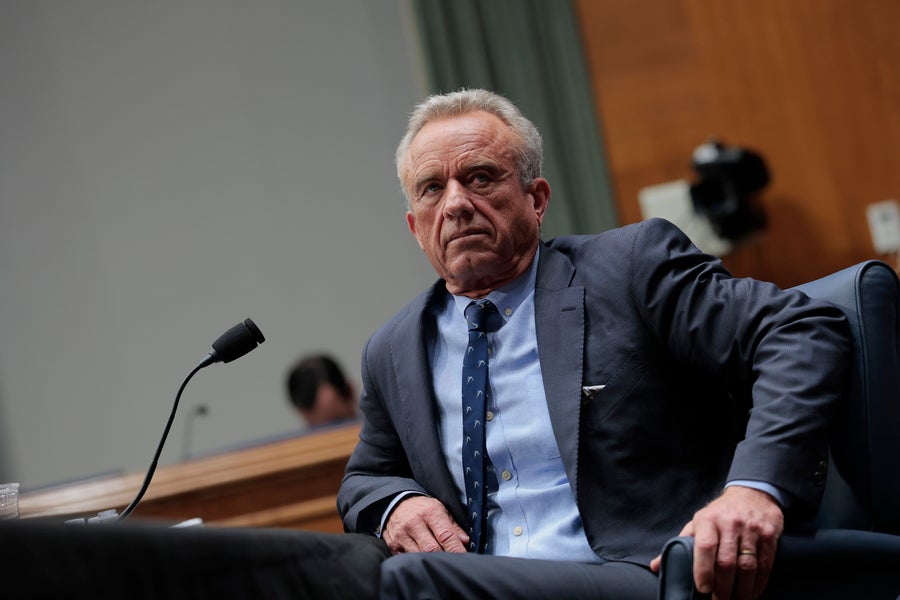
Health and Human Services Secretary Robert F. Kennedy, Jr., testified before the Senate Committee on Health, Education, Labor and Pensions in May 2025. Anna Moneymaker/Getty Images
.
.
Click the link below for the complete article:
.
__________________________________________
 James' World 2
Leave a comment