
Click the link below the picture
.
In Trump’s second presidency, he has outlined and implemented, at least in part, an ambitious agenda, including several key changes to Social Security, a program that is relied on by millions of Americans. As more changes are likely throughout the year, check back as we outline how they will affect you and your Social Security check.
In 2025, about 73 million Americans will receive Social Security, Supplemental Security Income (SSI), or both, according to the Social Security Administration, with nearly $1.6 trillion in benefits paid out annually. Trump’s agenda could directly impact Social Security, a significant source of income for most people over age 65. However, the program is on shaky ground and may need to reduce benefits in ten years if Congress doesn’t make changes to bolster its finances.
Although it’s still early in his second term, here’s what Trump has done with Social Security so far. (A separate story looks at what Trump has done with Medicare so far).
Changes to Social Security in Trump’s ‘One Big Beautiful Bill’
The One Big Beautiful Bill Act is a comprehensive tax and spending package that passed the House of Representatives on May 21, 2025, by a narrow vote. Although Trump had pledged to eliminate federal taxes on Social Security benefits, the bill doesn’t eliminate those taxes, but includes a temporary increase to the standard deduction for older people that could lower taxable income for Social Security recipients.
The bill would also raise the standard deduction by up to $4,000 for people aged 65 and over, starting in 2025 through 2028. Although this change is not aimed directly at Social Security income, it could effectively reduce the taxable burden for retirees whose total income, including benefits, is limited.
The deduction begins to phase out at $75,000 for individuals and $150,000 for married couples filing jointly, making it less relevant for higher-income seniors.
As of the end of June 2025, the Senate is actively debating the bill, which faces both Republican disagreements and Democratic opposition. The Senate version, which is around 940 pages, differs from the House version, with deeper Medicaid cuts and adjustments to tax provisions. If passed by the Senate, the bill will need to return to the House for a final vote due to changes made before the legislation reaches Trump’s desk.
New Deputy Commissioner of Office Operations at the SSA
This past April, the Social Security Administration (SSA) announced the appointment of Stephen Evangelista as the Deputy Commissioner for the Office of Operations. In this role, Evangelista will oversee the SSA’s customer support services, which include oversight of more than 1,200 field offices nationwide, as well as 23 teleservice centers that assist over the phone.
Evangelista has over 25 years of experience in executive leadership roles at SSA, most recently serving as the Assistant Deputy Commissioner for Policy in the Office of Law and Policy.
“Stephen’s proven track record of leadership and his dedication to public service make him an excellent choice for this critical role,” said Lee Dudek, Acting Commissioner of Social Security. “His deep knowledge of the agency’s programs will be an asset as we continue to improve customer service while safeguarding Americans’ hard-earned benefits.”
Trump signs memo stating non-citizens ineligible for Social Security benefits
President Trump signed a memorandum directing the Social Security Administration to take steps to ensure non-citizens who are ineligible for benefits don’t receive any from the SSA. These actions include:
- Expand the SSA’s fraud prosecutor programs
- Investigate earnings reports of people 100 years old or older with mismatched records
- Evaluate reinstatement of SSA’s civil monetary penalty program
The memo states that all non-citizens who have authorization to work in the U.S. must pay all of the existing Social Security and Medicare taxes, and may be able to draw benefits from those systems if they meet the eligibility requirements. In addition to other factors, permanent residents who are non-citizens have a 5-year residency requirement to access Medicare.
If you have student loan debt in default, your SS checks may be at risk.
Beginning May 5, the Department of Education restarted collections of defaulted federal student loans via the Treasury Offset Program, which collects delinquent debts owed to the government by withholding tax refunds and Social Security benefits. After 30 days, the government can start going after your paycheck, withholding up to 15% of a borrower’s disposable income for those in default.
“Borrowers who don’t make payments on time will see their credit scores go down, and in some cases, their wages automatically garnished,” wrote Education Secretary Linda McMahon in an opinion piece for the Wall Street Journal.
Within the next two weeks, affected borrowers should hear from the Office of Federal Student Aid. If you are in default, the Education Department urges you to contact the Debt Resolution website to make a payment, enroll in an income-driven repayment plan, or sign up for loan rehabilitation.
.
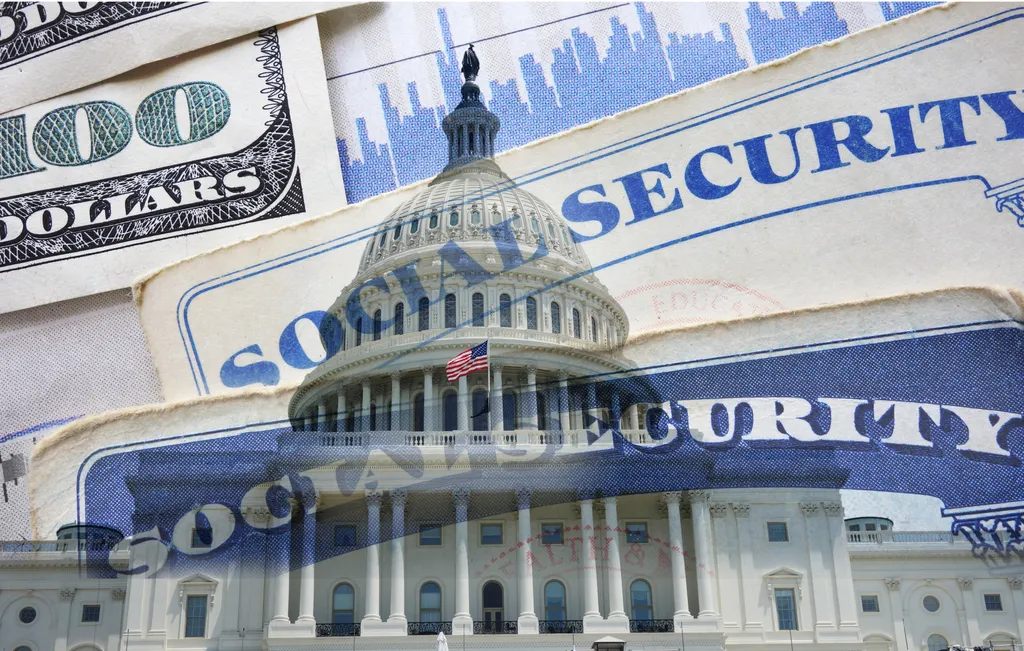 (Image credit: Getty Images)
.
.
Click the link below for the complete article:
.
__________________________________________
 James' World 2
Leave a comment