
Click the link below the picture
.
Kids have so much to manage during the school year. Social pressures, schoolwork and the myriad activities before and after school, like sports, music and clubs, are all sources of big emotions and confusing behaviors.
On top of this, many are dealing with depression, anxiety and other mental health challenges. Three out of four high school students say they feel stress throughout the school year, and 50 percent of middle school students say the same. Emotional distress often fuels depression and anxiety; 20 to 30 percent of youth say they feel these at any given time. For a lot of kids, summer isn’t a break just from academics but from all the other stressors that can challenge their well-being. Routine is just as important during the summer as during the school year, but making space for downtime gives parents a golden opportunity to build stronger relationships with their children so they can be more self-aware, more capable, and ready to meet the new school year in confidence. Here are some tips to open those lines of communication, to use curiosity to learn more about what your child is feeling and experiencing and to create a deeper bond. That being said, if your child is showing signs of self-harm or suicidality, call 988; or reach out to your local National Alliance on Mental Illness (NAMI) chapter for more specialized help.
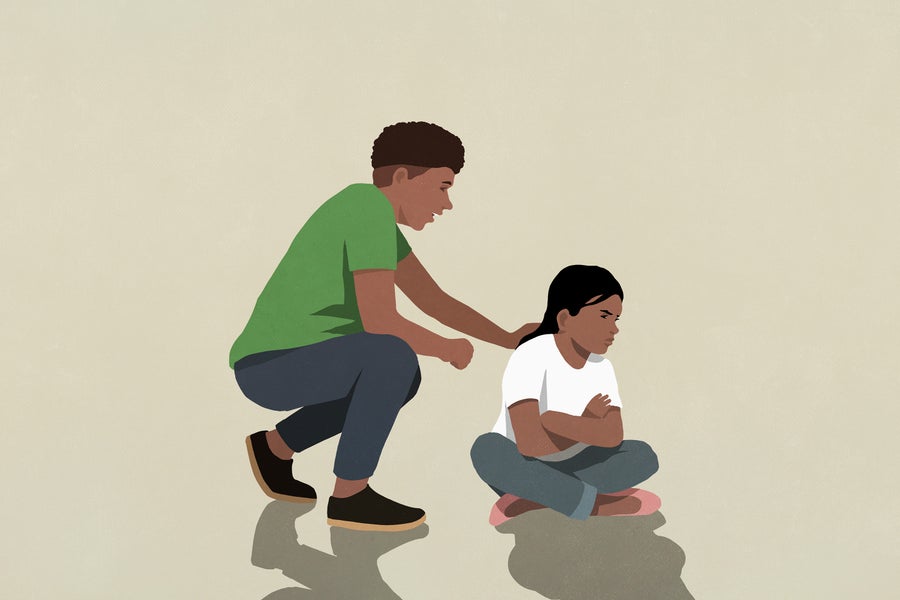
Stay Calm during Meltdowns
Say your teen wants to go out with friends, but they’ll be out too late for your comfort. If they have an outburst—“You never let me go out with my friends! It’s like you don’t care how this makes me feel!”—it’s easy to jump into the argument: “Of course I care about you. You’ll be out too late. You can’t go. That’s final.” Take a deep breath. Don’t take the jab personally. Reflect on their feelings and offer an alternative: “You are upset because you can’t go out with your friends, and I understand this is difficult for you. But we both agreed that staying out past 10 P.M. won’t work, so can we come up with an alternative, so that you get to see them and be home at a time we can agree on?” Or: “I see how much you want to go out with your friends. Can you help me understand why this outing is particularly important?”
Our emotions can affect our interactions with our children, so when you have a moment, ask yourself, what past experiences might have influenced my reaction to my child? What am I feeling and can I name those feelings in conversation with my child? What fears do I have that might lead me to react strongly and be less supportive to my child?
Listen Actively when They Talk
Active listening is important in communicating with our children. We aren’t just hearing their words, but noticing body language, the words they use, positive and negative behaviors, and any other signs that they might be struggling to find the right words.
Say your child is struggling to go to school: “I hate it. Everyone makes fun of me.”
What else are they doing? Fidgeting with their shirt? Looking away? Possibly fighting back tears? These are signs of anxiety, distress and possibly avoidance. This is another great opportunity to reflect, but also to use their physical responses to guide your answers. “School was hard this year and you’re having trouble finding the words to describe it. You don’t feel safe and comfortable there. Let’s work together to figure out how to make it safer.”
Active listening does not mean you agree with or condone the thoughts or behaviors of the other person, but rather you are trying to understand their viewpoints and the underlying values and emotions tied to those views.
Beyond more simple reflections are ones that explore what your child means or what they are feeling—maybe you suggest that their distress about not being able to go out with their friends is rooted in the insecurity that they won’t get invited next time. Either way, when you take the time to listen actively, you show your kid that you won’t shut down their feelings and that if they open up more, you can begin to understand the underlying values and thoughts that drive their actions and reactions.
.
 Malte Mueller/Getty Images
.
.
Click the link below for the complete article:
.
__________________________________________
 James' World 2
Leave a comment