From

Click the link below the picture
.
They only need one name. Whoopi. Will. Viola. Denzel. Cynthia. Morgan. Legends who carved their names into Hollywood’s highest peaks—often without a safety net. Before they were box-office draws, they were underdogs, fighting for roles that weren’t just afterthoughts, battling Hollywood’s narrow definition of “marketability,” and rewriting the script for what Black talent looks like on screen.
It’s easy to believe the war is over. In an era where Lupita Nyong’o wins an Oscar for her breakout role, where Jordan Peele reinvents horror, and where Beyoncé drops a Renaissance film that sells out theaters worldwide, it almost seems like we’ve arrived. But anyone who’s lived through Hollywood’s cycle of short-term amnesia knows better.
That’s exactly why Academy Award nominee Reginald Hudlin and Shola Lynch set out to make Number One on the Call Sheet. The film sets out to remind us that Black actors aren’t just here; they’ve been here, fighting for space, legacy, and respect since the dawn of cinema. Directed by Hudlin (House Party, Boomerang) and Lynch (Free Angela and All Political Prisoners) and executive producer Bryan Smiley (HARTBEAT), the two-part documentary digs into the unfiltered reality of being Black in Hollywood. Not just the wins, but the near-misses, the coded rejection, and glass ceilings that, though cracked, haven’t fully shattered. Featuring over 30 actors, the doc unpacks what it really means to be number one on the call sheet when the system wasn’t built for you in the first place.
Pulling off a project of this scale? It took the “Avengers,” as the directors call them, to get these stars to sit down. Hudlin shares, “A lot of it came down to personal relationships. It was me either calling the person or Datari calling the person, calling their agent, calling their publicist.”
For many, the title alone says it all. The phrase “number one on the call sheet” carries weight—it’s a distinction that comes with prestige and responsibility. It means you’re the lead, the face of the production, the one everything revolves around. However, for Black actors, that title has historically been elusive. It’s a seat at the table that, for too long, felt reserved for someone else.
“The battles fought by the previous generation paved the way for us. Now, it’s our turn to fight,” Hudlin says.
The documentary dives deep into those journeys, tracing a history that starts long before today’s stars. Before Denzel’s commanding presence or Viola’s gut-wrenching monologues, there was Sam Lucas, the first Black actor to play Uncle Tom in a 1914 silent film. There was Hattie McDaniel, who won an Oscar for Gone with the Wind in 1940 but was forced to sit in a segregated section of the ceremony. There was Sidney Poitier, who carried the weight of dignity and grace in every role he took. Dorothy Dandridge, who dazzled Hollywood but was cast aside too soon. Every step forward was hard won, and every door cracked open had to be pried wide. “One of the lines I love in the men’s film is, what do you do when you get to the top of the mountain? Make more mountains. You gotta keep going. You can’t stop dreaming,” Lynch says.
The project is split into two films—one focusing on men, the other on women—and each takes a different lens to what it means to lead while Black. The men’s segment, Number One on the Call Sheet: Black Leading Men in Hollywood, directed by Hudlin and produced by Jamie Foxx, Kevin Hart, Datari Turner and Dan Cogan, takes on the evolution of Black male stardom, from trailblazers like Richard Roundtree in Shaft to Will Smith redefining what a global movie star could be.
.
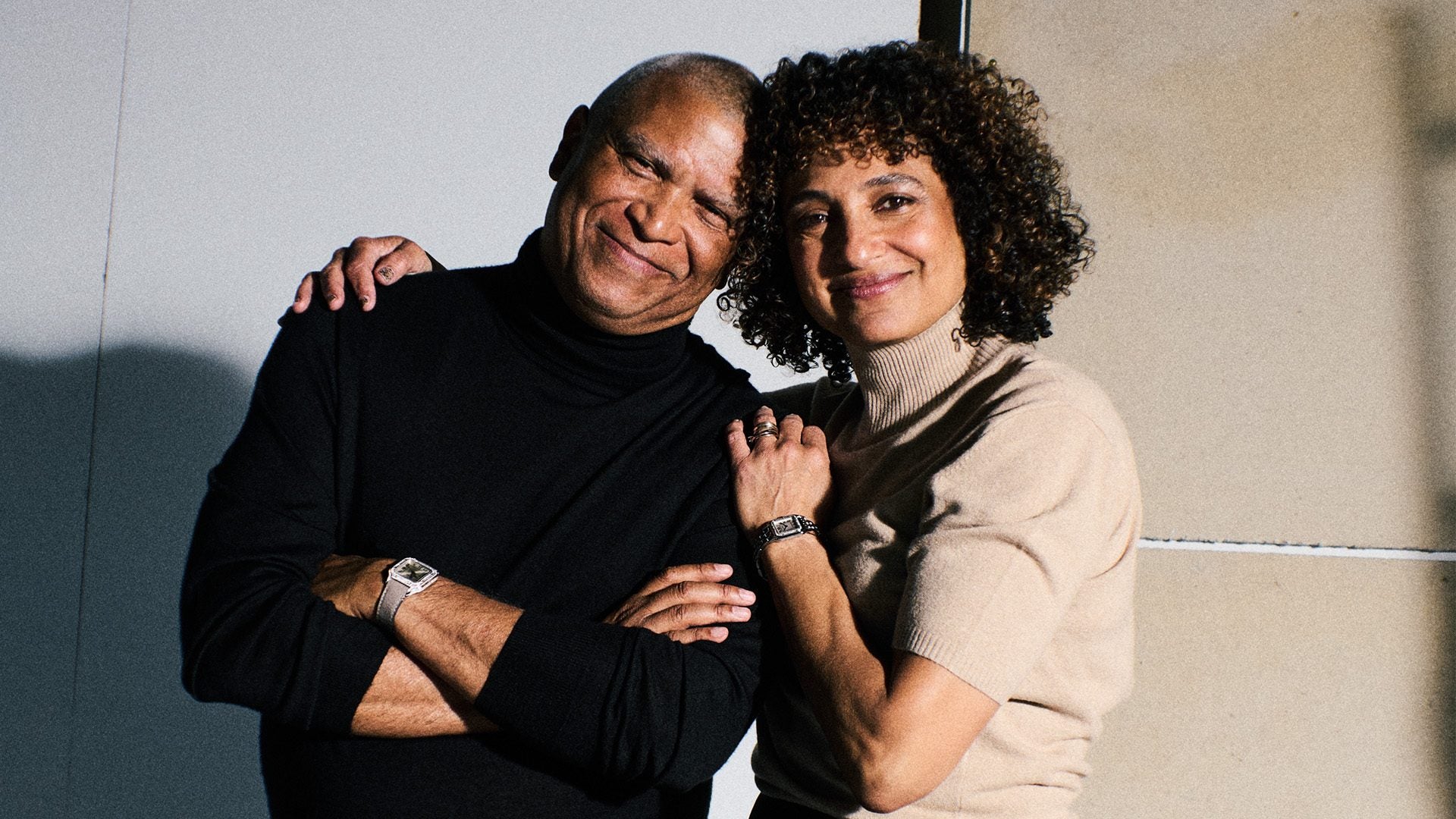 Photography By: Xavier Scott Marshall
.
.
Click the link below for the complete article:
.
__________________________________________
 James' World 2
Leave a comment