
Click the link below the picture
.
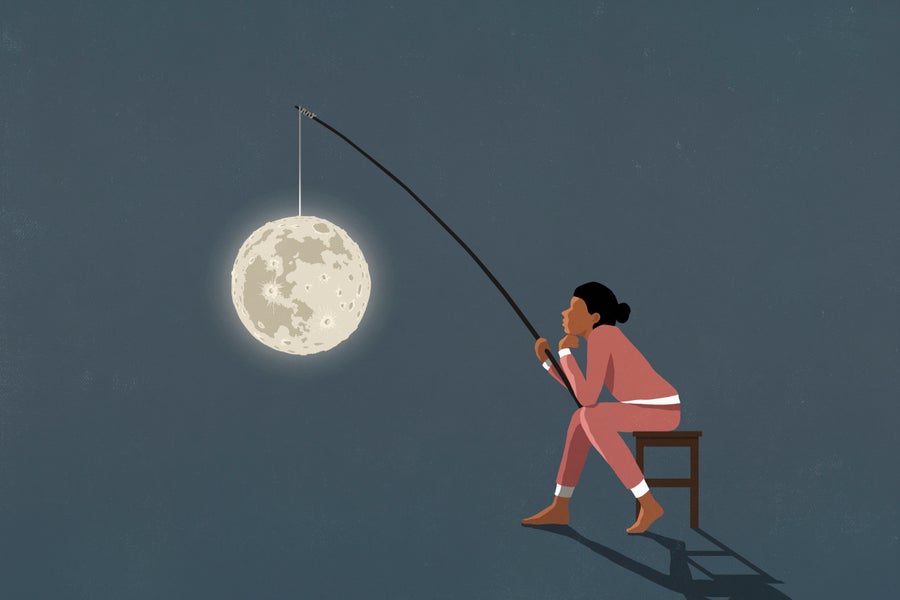
I never had issues with sleep until the COVID-19 pandemic. A couple of months into lockdown in 2020, I found myself unable to fall or stay asleep. My worries played on an unstoppable loop, and the longer I lay in bed, the more anxious I became about not sleeping. This vicious cycle left me exhausted. After a few months, I became depressed. It was time to get professional help.
This was the start of a years-long odyssey to find an effective sleep aid without negative side effects. The first medication I tried was 50 milligrams of an antihistamine called hydroxyzine, prescribed to me after a five-minute telehealth appointment. It effectively knocked me out, but it left me feeling so groggy the next morning that I struggled to get out of bed. I stopped taking it.
I lacked the energy to meet with a physician again, so I went back to relying on a grab bag of pills. These included over-the-counter melatonin, a hormone used to treat sleep problems; diphenhydramine, an antihistamine and sedative commonly sold as Benadryl; my husband’s gabapentin, which is prescribed to treat epilepsy and nerve pain but is commonly given as an anti-anxiety sleep aid; and tablets of questionable provenance that were labelled as alprazolam, used to treat anxiety conditions, which I acquired on a pre-pandemic trip to Sri Lanka. I rotated through these remedies in an attempt to not become overly reliant on any one of them.
Last year, my struggle to sleep markedly worsened. Stress still seemed to be in limitless supply. My identity is wrapped up in my job as a science journalist, but as the media industry continues to collapse in on itself, it is becoming more and more difficult to make ends meet. At night, my chest would tighten as I tried to imagine a viable future in my chosen career. Layered on top of that were the stressors of the 2024 US presidential election and interpersonal drama with my increasingly conservative father.
I found a sympathetic primary-care provider in the form of a physician’s assistant (PA) — a licensed medical professional who, in some states, can prescribe medications but isn’t actually a physician. She listened to my problems and asked me questions about my life. At the end of the appointment, she agreed that I should try the antidepressant bupropion. I was still having trouble sleeping, however, and my night-time anxiety spiked following the election. “Sadly, we are getting a lot of these messages,” my PA said when I told her about this. We added buspirone, an anti-anxiety medication, to my daily regimen. I immediately started sleeping better. But buspirone left me feeling deflated, numb, and unmotivated during the day. My PA suggested that, as long as I didn’t develop serious depressive thoughts, I should stick it out for a month to give my body time to adjust.
I agreed to give it more time. Then, about three weeks in, I woke up one night from a nightmare and felt something crawling through my hair. Then, I saw a flash of light, as though someone was standing over me, taking a photograph. I quickly realized that these had been hallucinations that occurred in the transition from sleep to wakefulness. Nothing like this had ever happened to me before, and the vividness of the experience was extremely disconcerting. The next day, I learnt that disturbed sleep is a side effect of buspirone. My PA agreed that I should stop the drug.
But, I still needed help to fall asleep. The obvious choice would have been benzodiazepines or ‘Z-drugs’ — classes of medications that have a sedative effect. But these drugs can also lead to dependency. Worryingly, too, a study in mice, published this year, found that one of these drugs, zolpidem (Ambien), might interfere with the brain’s ability to clear waste, including toxic molecules associated with Alzheimer’s disease. These results still need to be replicated in humans, but they do mirror findings from at least one observational study. I told my PA I wanted to steer clear of these medications.
Through reporting for another story on sleep medication for this Nature Outlook, I was cautiously excited to learn about a new class of insomnia medications known as dual orexin receptor antagonist (DORA) drugs. These work by blocking a molecule that promotes wakefulness, and they have fewer side effects and a lower risk of dependence compared with other sleep aids. My PA was familiar with one of them, Belsomra, and said I could try it.
It took almost three weeks for me to receive the prescription, and my insurance would not cover it. There are no generic DORA drugs. Thirty daily tablets of Belsomra was going to cost me an astronomical US$500. But, I was desperate to get some sleep, and my pharmacist was able to find a coupon that knocked $150 off the bill. I sucked it up and paid.
As I write this, I’ve been taking Belsomra on and off for a month. When it works well, I fall asleep quickly and soundly, and wake up feeling clear-headed and rested. About one-quarter of the time, however, my anxiety manages to cut through the medication, and I struggle to fall asleep. My PA said that I can try doubling my dose to the maximum 20 milligrams, by taking two tablets each night. But I haven’t tried this yet, because I’m aware that each pill I pop before bed is about the same price as ordering a fancy cocktail.
.
 Malte Mueller
.
.
Click the link below for the complete article:
.
__________________________________________
 James' World 2
Leave a comment