
Click the link below the picture
.
Most of K’s newborn clothes arrived inside a white trash bag left outside our two-bedroom Oakland house. We bought her bite-marked crib on Craigslist. I meant to take monthly photos to show her growth, but when I look back, there is only one, from 3 months. I’ve scribbled “3” in ballpoint pen on a piece of paper torn from a spiral notebook. It looks like a ransom note.
I was 34 when I became K’s foster mom. We got the call at bedtime on a Tuesday; a newborn needed a place to stay. The next morning, I went to the hospital to meet her in the NICU. She was home with me by noon. We weren’t expecting a newborn, and while she slept on my chest, I started a list of what we needed: supplies, a schedule, help.
If (and only if) K was touching me or my husband, David, she was content. And so, I held her. For six months, I moved from my bed to the sofa and back again. She napped on me and babbled on me, and played on me. In one day, I transitioned from a childless grad student to someone who never stopped cuddling, feeding, and changing a newborn. By the time she was a few weeks old, it was clear she might be with us long-term. When she was 1, we adopted her.
While our home life during K’s early days was not social-media polished, our joy and connection felt like a miracle. I have never been as at ease in my body and life as when I was parenting her during those first months.
Meeting K wasn’t the first time my life shifted over the course of a day. One August, when I was 28, I woke up a runner and went to bed disabled. I co-owned a real estate firm at the time and, through relentless professional effort, was flush with cash. My then-husband and I decided to take a luxury trip to Greece. This was pre-Instagram, but you’d never know it from our perfectly orchestrated itinerary. Linen halter-dresses and straw hats, and beers in the ocean. My young body was toned and tan. We were committed to having the best vacation. It probably goes without saying: I was profoundly unhappy.
While hiking on the island of Santorini, we encountered a pack of wild dogs baring their teeth. The sun was more punishing than we had anticipated, and we had run out of water. We scrambled up the hillside, away from the dogs, shins scraping on the brush. The detour led to heat exhaustion, which led to an electrolyte imbalance, which activated a latent neurological condition. The day after the hike, I could hardly stand and spent the day wracked with nausea, dizziness, and pain. It’s been 14 years, and my health has not measurably improved.
It took me a year to admit I was sick and two to get diagnosed. I didn’t accept my diagnosis for another year, and it was longer still before I would call myself disabled. During that time, I had to stop working, ended my long-term relationship, and moved into a tiny one-bedroom apartment. Instead of wild parties at our sprawling loft, I watched Lifetime shows with my little sister. My life shrank. My body suffered.
Inside the agony, I found my way to something true within myself. The pursuit of perfection in my 20s had been caustic. Of course, I didn’t invent the framework in which I operated at that time. Thinking that beauty and wealth will make our lives good is an edict of capitalism. Our economic system reinforces that our worth is directly related to our ability to work and produce. It’s no coincidence that this manically attractive life was very expensive.
Admitting to the inevitability of suffering and fragility in my 30s was a salve. Pretending that my own performance could insulate me from pain had caused me far more harm than the actual limitations of my body.
.
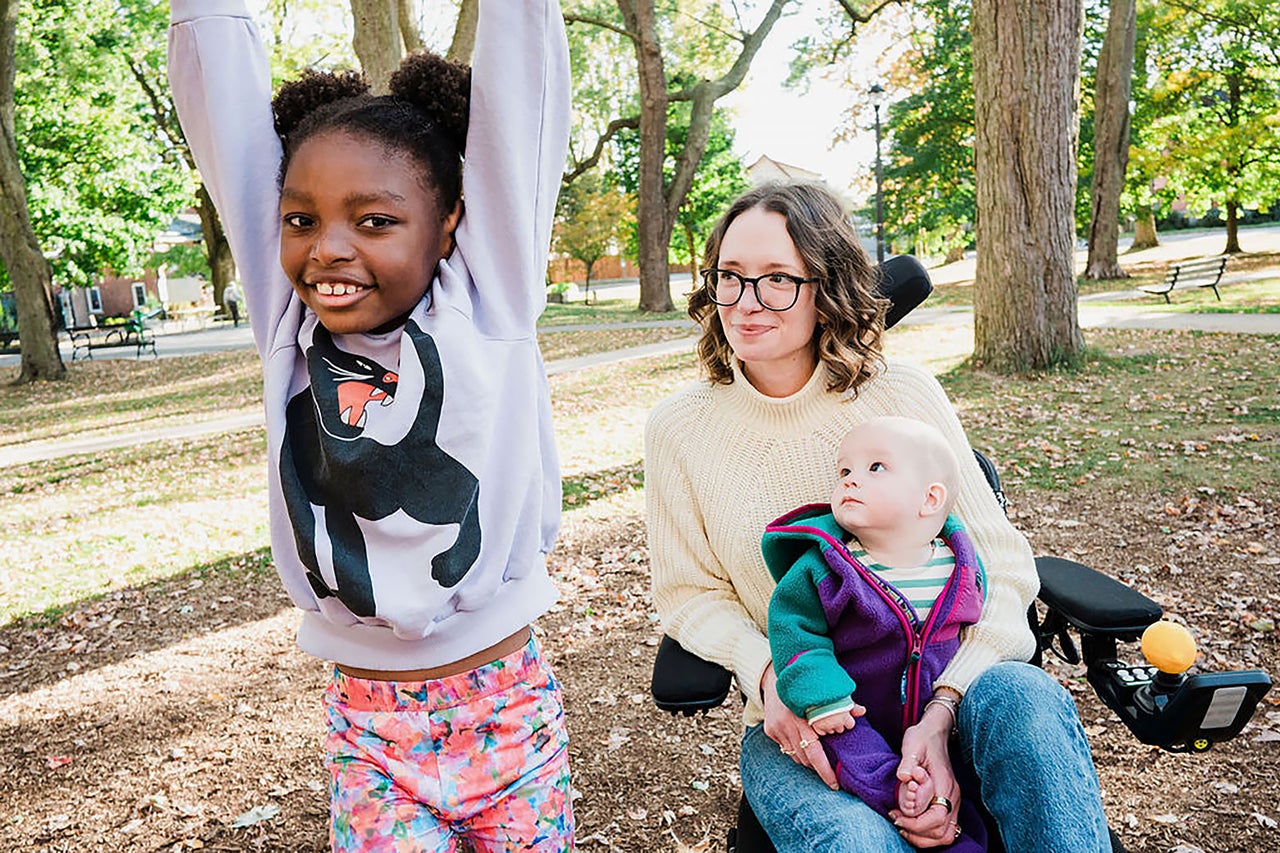 Liz Cooper
.
.
Click the link below for the complete article:
.
__________________________________________
 James' World 2
Leave a comment