Ukraine’s mineral wealth has been a key factor in its negotiations with the U.S. as the two countries work out details for a ceasefire agreement in Ukraine’s war with Russia.
After a rocky start to those negotiations, officials from the U.S. and Ukraine announced an agreement on March 11, 2025. The U.S. would resume support and intelligence sharing with Ukraine, with some conditions, and both agreed to work toward “a comprehensive agreement for developing Ukraine’s critical mineral resources to expand Ukraine’s economy and guarantee Ukraine’s long-term prosperity and security.”
The initial announcement from Ukraine’s government stated that critical minerals would also “offset the cost of American assistance,” but that line was removed from the joint statement. Getting Russia to agree to a ceasefire would be the next step.
There’s no doubt that Ukraine has an abundance of critical minerals, or that these resources will be essential to its postwar reconstruction. But what exactly do those resources include, and how abundant and accessible are they?
The war has severely limited access to data about Ukraine’s natural resources. However, as a geoscientist with experience in resource evaluation, I have been reading technical reports, many of them behind paywalls, to understand what’s at stake. Here’s what we know.
Ukraine’s minerals fuel industries and militaries
Ukraine’s mineral resources are concentrated in two geologic provinces. The larger of these, known as the Ukrainian Shield, is a wide belt running through the center of the country, from the northwest to the southeast. It consists of very old, metamorphic and granitic rocks.
A multibillion-year history of fault movement and volcanic activity created a diversity of minerals concentrated in local sites and across some larger regions.
A second province, close to Ukraine’s border with Russia in the east, includes a rift basin known as the Dnipro-Donets Depression. It is filled with sedimentary rocks containing coal, oil, and natural gas.
Before Ukraine’s independence in 1991, both areas supplied the Soviet Union with materials for its industrialization and military. A massive industrial area centered on steelmaking grew in the southeast, where iron, manganese and coal are especially plentiful.
By the 2000s, Ukraine was a significant producer and exporter of these and other minerals. It also mines uranium, used for nuclear power.
In addition, Soviet and Ukrainian geoscientists identified deposits of lithium and rare earth metals that remain undeveloped.
However, technical reports suggest that assessments of these and some other critical minerals are based on outdated geologic data, that a significant number of mines are inactive due to the war, and that many employ older, inefficient technology.
That suggests critical mineral production could be increased by peacetime foreign investment, and that these minerals could provide even greater value than they do today to whomever controls them.
.
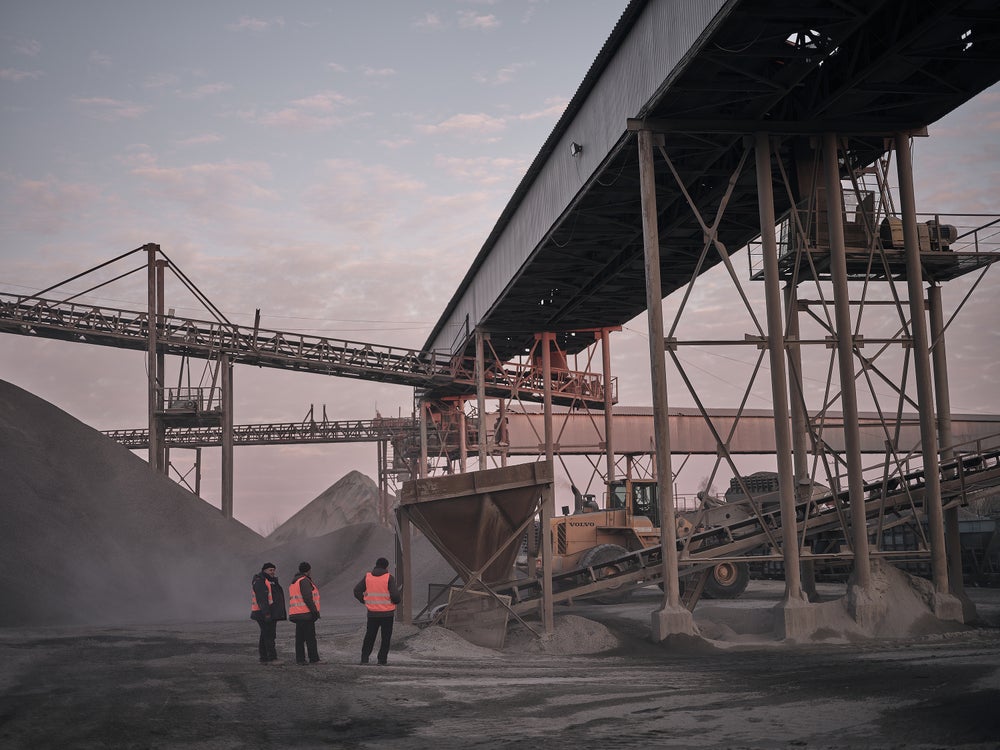
Granite being mined on February 26, 2025, in the Zhytomyr region of Ukraine. Despite the ongoing war, many mining companies across the country have continued their operations, extracting resources such as titanium, graphite, and beryllium. bKostiantyn Liberov/Libkos/Getty Images
Film and Writing Festival for Comedy. Showcasing best of comedy short films at the FEEDBACK Film Festival. Plus, showcasing best of comedy novels, short stories, poems, screenplays (TV, short, feature) at the festival performed by professional actors.

 James' World 2
Leave a comment