
Click the link below the picture
.
A skilled card player—eyes hidden by dark shades and features kept as still as possible—looks at their hand. Any small giveaway that they’re bluffing or holding great cards could lose them a painfully large sum of money. Sometimes it helps to have a “poker face.”
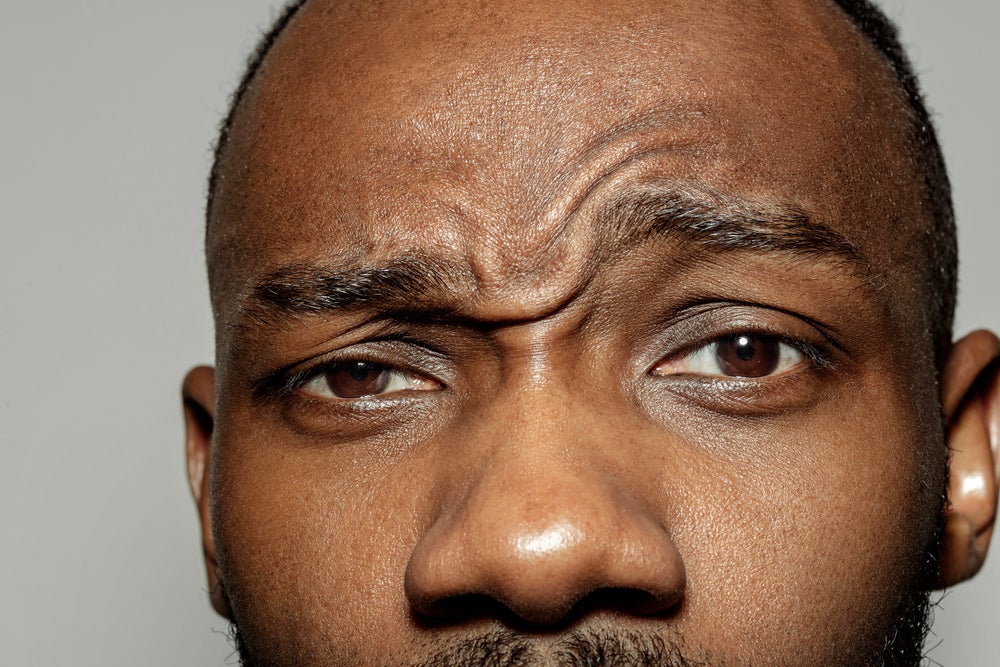
Yet in day-to-day life—when socializing with family, friends, and new acquaintances, for example—you might be better served letting your features fly free. Our research shows that moving your face in some way, whether you’re smiling, raising an eyebrow, or wrinkling your nose, may help people warm to you more.
In a recent study, we found that people who were more facially expressive were more liked by a new social partner, which could explain why humans have evolved to have such expressive faces. Indeed, our species is likely more facially expressive than any other. People produce, on average, 101 facial movements per minute in a typical social interaction.
To understand why facial expressivity is so beneficial, we first need to emphasize just how crucial social bonding is to human survival. Throughout most of our evolutionary history, our species has relied on tight-knit communities to keep ourselves fed, sheltered, and protected from predators and dangerous outsiders. Managing social relationships was literally a matter of life or death. Otherwise, you might have faced the tiger in the bushes alone. Any skill or behavior that improved someone’s ability to create and keep lifesaving bonds was likely to persist in our gene pool and cultural repertoires over the generations. And our research suggests that facial expressivity may fall in this category.
In our study, 52 people were filmed in an online social interaction with a researcher who posed as another participant. These dialogues played out over a video platform, so people could see one another’s face. Unbeknownst to the real participants, the researcher orchestrated various challenging social scenarios, such as telling an awful joke or demanding 80 percent of a reward in a negotiation. These situations mimicked everyday experiences, such as social conflict, embarrassment or an attempt to make a good impression.
Throughout, we observed how people’s face moved. We also obtained recordings of more than 1,300 participants in free-flowing conversations with other (real) participants online. Automated software then coded the small facial muscle movements they made during these interactions.
Interestingly, more agreeable, extraverted or neurotic people, as measured by a questionnaire, were more facially expressive. People with these personality traits may devote more time and energy to social interactions—whether because they enjoy socializing or have greater-than-average concerns about how they come across to others. And that added effort could be worthwhile, we found. After these interactions, the participants and their social partners rated how much they liked each other—as did 176 other participants who viewed video clips of these people. The pattern was clear: people who were more facially expressive were more liked by others.
But why would facial expressivity improve someone’s ability to build social bonds? Imagine meeting someone new and trying to figure out if they’re a good fit as a friend, colleague, or romantic partner. You might wonder if you can trust them, if they will help you or harm you—and whether you can even understand one another. Someone who is easier to read may seem to be a more appealing prospect than someone who is more guarded.
.
 Master1305/Getty Images
.
.
Click the link below for the complete article:
.
__________________________________________
 James' World 2
Leave a comment