
Click the link below the picture
.
Earlier this week the U.S. Food and Drug Administration revoked the authorization of the dye Red No. 3, which is used in a variety of foods and medications. This artificial dye, which is made from petroleum and had been found to cause cancer in rats, was removed in response to a 2022 petition from the Center for Science in the Public Interest and other advocacy groups.
The cherry-red coloring agent is found in foods such as candies, Maraschino cherries, and strawberry-flavored milk drinks and in medicines such as cough syrups. Manufacturers of foods and ingested drugs have until January 15, 2027, and January 18, 2028, respectively, to remove the dye from their products.
Food safety activists had long called for Red No. 3’s removal, citing concerns about its possible carcinogenicity in humans, as well as some evidence that similar dyes may contribute to behavioral problems in children—including attention deficit hyperactivity disorder (ADHD).
Scientific American spoke with experts about why this red dye is being banned, how much exposure may be harmful and how it compares with other food colorings.
Which red dye is being banned?
Its official name is Red No. 3.
What foods or medicines contain it?
It’s found in candies, fruit juices, snack foods, Maraschino cherries and strawberry-flavored milk. It’s also found in some medications such as cough syrups.
Why was it banned?
Male rats developed thyroid tumors after being exposed to high levels of the dye in lab studies. But according to the FDA, the rats developed cancer through a hormonal mechanism that does not occur in humans—and studies in humans and other animals have not shown similar effects. Nevertheless, the dye was removed under the Delaney Clause of the Federal Food, Drug, and Cosmetic Act, which bans FDA authorization of a food or color additive that has been found to cause cancer in humans or animals.
Concerns have also been raised that some other artificial dyes, including another red dye called Red No. 40, may contribute to hyperactivity in children.
Why did it take so long for the U.S. to ban this compound in food?
The FDA has banned the use of Red No. 3 in cosmetics and topical medications since 1990. The European Union banned the dye in food (except cocktail cherries) in 1994, and in 2023 California banned it as well.
“The FDA has a really large mandate, and they have focused primarily on drugs. Within the food realm, they focused on food safety with a specific eye on infectious diseases like [Escherichia coli infection],” says Sheela Sathyanarayana, a professor of pediatrics and an adjunct professor of environmental and occupational health sciences at the University of Washington and Seattle Children’s Research Institute, but “where there’s been a hole or a gap is in food safety related to additives and environmental exposures and contaminants.”
The FDA, under the Biden administration, recently created a new food chemical safety office. “I am hopeful, with that new office opening, that they will be able to kind of assess in a more holistic way multiple different exposures, from food additives to contaminants,”Sathyanarayana says.
How much of this red dye do you need to consume for it to be harmful?
The relevant studies exposed rats to doses of the dye that were likely much larger than what a human would normally consume. It’s very hard to do studies on the toxic dose in humans because it’s unethical to conduct randomized, controlled trials that give people food with large amounts of certain additives. Most human studies of food ingredients are epidemiological: they involve asking people to remember what foods they’ve eaten and in what amounts, which is notoriously unreliable.
.
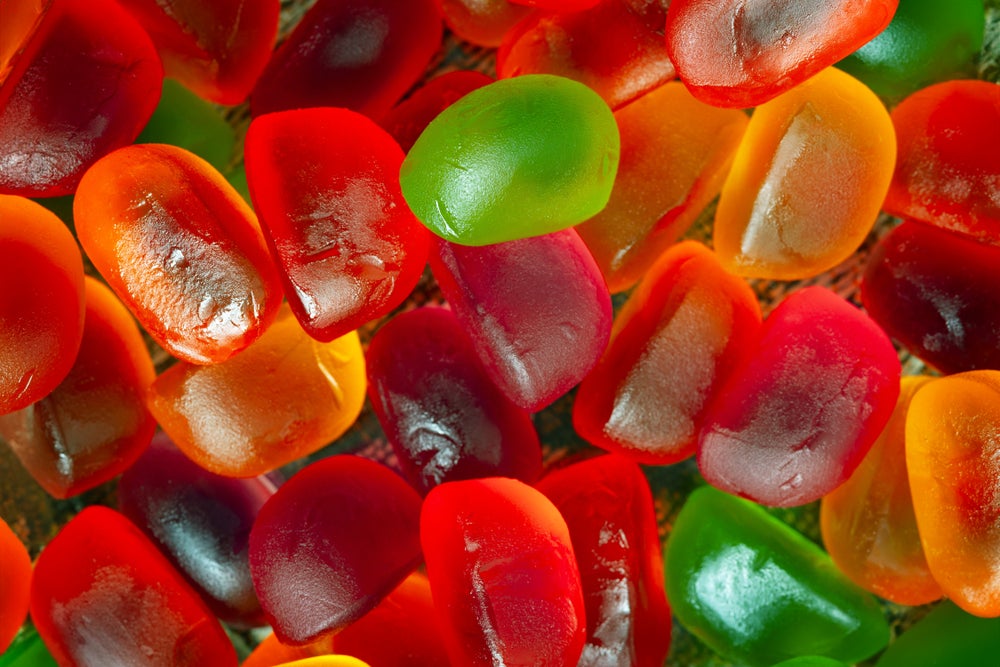 Oleksa/Getty Images
.
.
Click the link below for the complete article:
.
__________________________________________
 James' World 2
Leave a comment