
Click the link below the picture
.
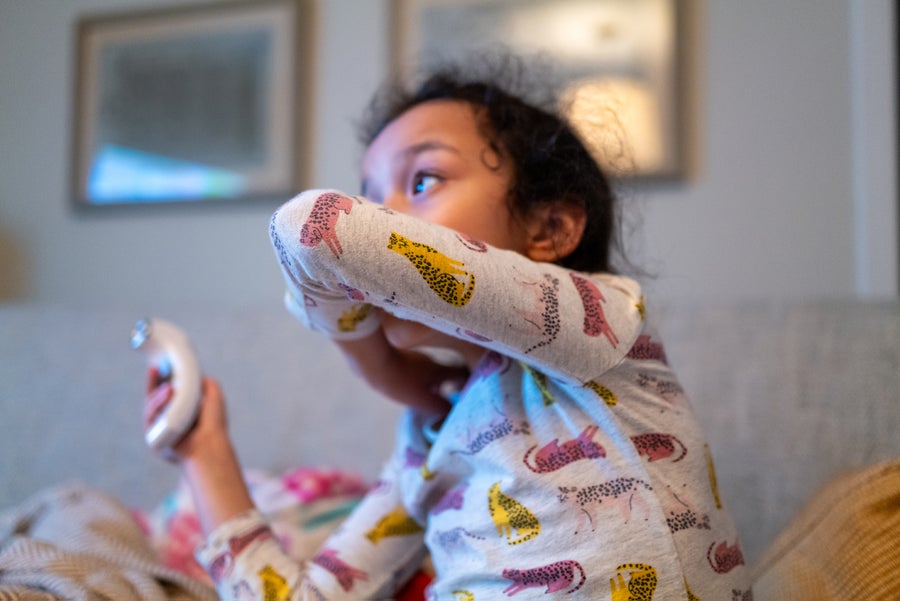
The temperature is dropping, and rates of a whole host of respiratory illnesses are doing the opposite. Among them is so-called walking pneumonia, a relatively mild form of pneumonia that has been unusually common in young children this year.
Pneumonia can be caused by dozens of different pathogens, but walking pneumonia is most commonly caused by a bacterium called Mycoplasma pneumonia. Traditional pneumonia can require hospitalization. Walking pneumonia, however, can feel like a bad cold and is sometimes not even serious enough to force people to rest at home. This year experts are particularly concerned about the infection because it appears more prevalent than usual in young children. According to the Centers for Disease Control and Prevention, this past October, about 7 percent of children and adolescents between two and 17 years old who had pneumonia-related emergency room visits were diagnosed with a M. pneumoniae infection. The proportion of M. pneumoniae cases increased between March and October, and the increase was higher in children between two and four years old than it was in older children. That is especially striking because, traditionally, infections have been highest among children between age five and 17.
Scientific American spoke with Eberechi Nwaobasi-Iwuh, a pediatric hospitalist
at Atlantic Health System’s Morristown and Overlook Medical Centers in New Jersey, about walking pneumonia trends and what parents should know.
[An edited transcript of the interview follows.]
What is walking pneumonia?
The reason it’s referred to as walking pneumonia is that you can be infected with Mycoplasma and develop pneumonia from it, and even though you have pneumonia, you won’t have the typical symptoms. You may have some fatigue and fever and cough, but it doesn’t make you typically as ill as one would expect from pneumonia. That said, recently we’re seeing some kids who are coming in who are fairly sick with it.
How would you characterize walking pneumonia rates this year compared with previous years?
Usually, it’s more common in school-aged kids, adolescents, and young adults, but this year we’re seeing it in very young children and even infants. Sometimes they may be symptomatic, or sometimes we’re just catching it when we’re swabbing them for microbes with other presentations. We’re just seeing it distributed more widely across more age groups than we typically do.
Are there also more cases this year than usual, or is it just that unusual age pattern?
Oh, definitely more cases. In my experience, we’ve probably seen a two- to threefold increase in the number of cases you ordinarily see for this time of year.
Are there any theories about what’s driving the age shift, with more young kids getting sick?
Since COVID, all the regular seasonal variations with viruses and bacteria really don’t follow the same patterns they used to. Some degree of decrease in immunity may have occurred, or the cause may be a more virulent strain that’s just a little bit more transmissible than usual. But I think it’s kind of hard to say what exactly is spurring the age shift.
Some viruses have episodic increases, so every five to seven years, you’ll see an increase in cases. Mycoplasma bacteria also follow that pattern sometimes, so this may just be the typical increase that we would have expected overall, historically.
How seasonal is walking pneumonia in general?
Usually, it’s more common during the fall and winter months, but even in August we started seeing somewhat increased cases, and that’s continued. Even during the early summer and late spring, we were seeing some Mycoplasma, but it was manifesting differently.
.
 Catherine McQueen/Getty Images
.
.
Click the link below for the article:
.
__________________________________________
 James' World 2
Leave a comment