
Click the link below the picture
.
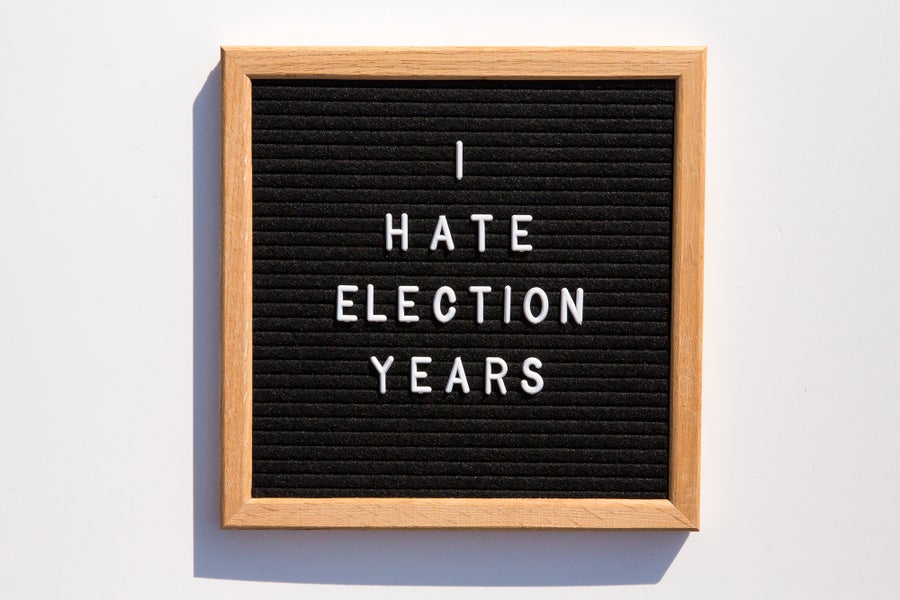
Just about everybody is really worried about the U.S.’s Election Day, which is coming up on us fast. In a recent poll from the American Psychological Association, 72 percent of people said they were concerned that the results of the election could lead to violence. And 56 percent said it could end democracy in the country. Nina Vasan, a psychiatrist at the Stanford University School of Medicine, who has researched Internet-based anxiety treatments and sees patients at her clinical practice, says she has never encountered this level of depression and concern about the future. And she is seeing it both in people who support Kamala Harris and in people who support Donald Trump. Scientific American senior health editor Josh Fischman spoke with Vasan this week about the reasons for this extreme stress level. Vasan also described several self-help methods that people can use to reduce their fears and worries—practices that they can employ even if uncertainty over the winner extends past Election Day.
[An edited transcript of the interview follows.]
Are people exceptionally on edge for this presidential election?
Oh, yes. I’m hearing things like “I don’t want to get out of bed in the morning” and “I wake up in the night, or I can’t even sleep because I’m so anxious” and “I’m having nightmares of what could happen in two weeks or next year.” I have one patient who lives in Washington, D.C., but is going to stay with her mother in Oregon because she’s afraid of the possibility of violence in the nation’s capital. There are a lot of real symptoms of anxiety and depression. Some people feel it very physically. They feel nauseous, or their heart is racing, or they’re sweating, or they feel incredibly tired. We all experience anxiety and fear differently.
Is this level of stress worse than what you’ve seen in past elections?
Definitely, and I think there are several reasons for that. One is that a sense of stress has been building up for years. It’s not just this election. Go back to October 7, 2023, and Hamas’s terrible attack on Israel and then the awful destruction and loss of life brought by Israel’s war in Gaza. Before that there was Russia’s ongoing war with Ukraine. Here at home there are mass shootings and the mob attack on the Capitol on January 6, [2021]. Whether it’s the New York Times or Facebook or TikTok, we get this constant stream of very negative news about humanity that has really made people depressed and sad and upset about the world.
Now it’s Donald Trump and Kamala Harris. Trump was already president four years ago, right? If you’re a Republican, you probably think of his four years as when life was great. If you’re a Democrat, you likely think of those four years as when life was horrible. For both, there’s this fear that “if all that returns, my life is going to suck.”
Does this fear take its toll on relationships, too?
We’re a diverse country with diverse beliefs. Now opinions are so divided that people feel they can’t talk to their boss or friends or family because they’ll disagree about politics. People feel silenced or harassed into silence. I’ve heard some people say they’re not going home for Thanksgiving because they’ll just argue about politics with family.
Just reading news about politics seems to make people upset.
There are people who are just consuming news nonstop. They get overwhelmed and anxious. They stop spending time with friends and doing the work they need to do because it’s this huge thing that’s taken over their lives.
What can people do to relieve this sense of dread?
The recommendation that I give to everyone is that you have to put very strong boundaries around your consumption. So when I wake up in the morning, I can read the news for 30 minutes, I can scroll TikTok or Instagram or whatever for 10 minutes. But then I stop, and I’m not allowed to go back until tomorrow morning.
Do you really tell people “30 minutes and you’re done”?
I do. I think in half an hour, you can consume what you need, especially if you’re a daily news reader. Whether its politics or sports or entertainment or stocks or whatever. Beyond that, it gets repetitive. I see that people watch or read something, get concerned by it and feel driven to read four more articles on the same subject, thinking that will make them feel better. And you know what? It never makes them feel better. They feel worse.
.
 Jena Ardell/Getty Images
.
.
Click the link below for the article:
https://www.scientificamerican.com/article/how-to-calm-your-election-anxiety-even-after-polls-close/
.
__________________________________________
 James' World 2
Leave a comment