
Click the link below the picture
.
High school sports teams start practices soon in what has been an extremely hot summer in much of the country. Now, before they hit the field, is the time for athletes to start slowly and safely building up strength and stamina.
Studies have found that the greatest risk of heat illness occurs in the first two weeks of team practices, while players’ bodies are still getting used to the physical exertion and the heat. Being physically ready to start increasingly intense team practices can help reduce the risk.
I am an athletic trainer who specializes in catastrophic injuries and heat illnesses. Here’s what everyone needs to know to help keep athletes safe in the heat.
Why should athletes restart workouts slowly?
One of the biggest risk factors for developing dangerous exertional heat illnesses is your physical fitness level. That’s because how fit you are affects your heart rate and breathing, and also your ability to regulate your body temperature.
If an athlete waits until the first day of practice to start exercising, their heart won’t be able to pump blood and oxygen through the body as effectively, and the body won’t be as adept at dissipating heat. As a person works out more, their body undergoes changes that improve their thermoregulation.
That’s why it’s important for athletes to gradually and safely ramp up their activity, ideally starting at least three weeks before team practices begin.
There is no hard and fast rule for how much activity is right for preparing – it varies by the person and the sport.
It’s important to remember not to push yourself too hard. Acclimatizing to working out in the heat takes time, so start slow and pay close attention to how your body responds.
How hot is too hot for working out outside?
Anything that is hotter than normal conditions can be risky, but it varies around the country. A hot day in Maine might be a cool day in Alabama.
If it’s significantly hotter outside than you’re used to, you’re more likely to get a heat illness.
To stay safe, avoid exercising outside in the hottest periods. Work out in the shade, or in the early mornings or evenings when the sun’s rays aren’t as hot. Wear loose clothing and light colors to dissipate and reflect as much heat as you can.
Hydration is also important, both drinking water and replenishing electrolytes lost through sweating. If your urine is light-colored, you are likely hydrated. Darker urine is a sign of dehydration.
.
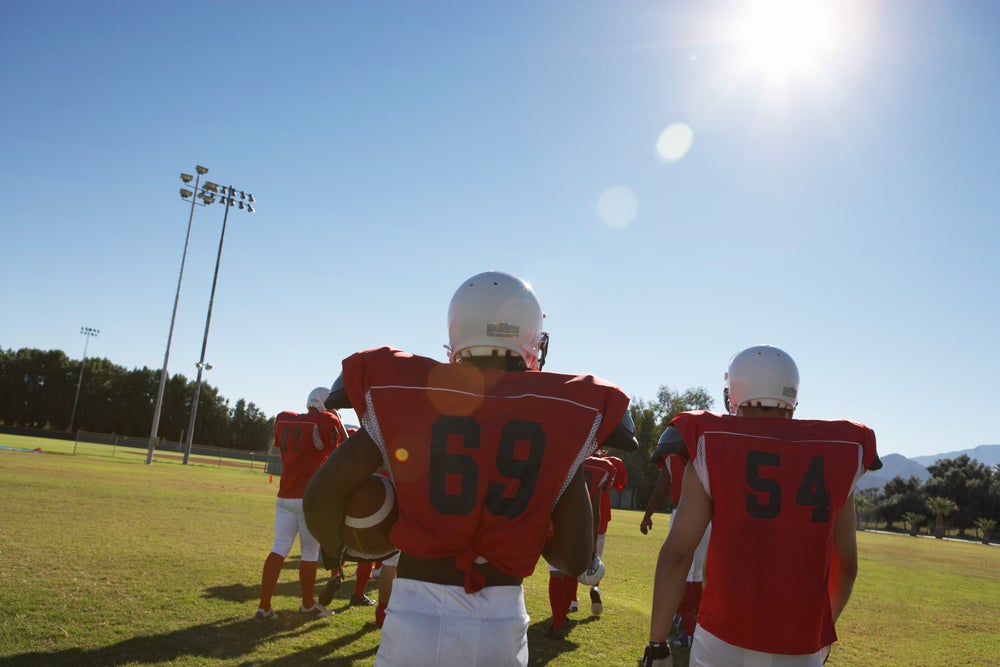
The first two weeks of practice are the hardest as the body acclimatizes. IPGGutenbergUKLtd/Getty Images
.
.
Click the link below for the article:
.
__________________________________________
 James' World 2
Leave a comment