
Click the link below the picture
.
Janet Wangari-Olivero: We estimate that over a third of people around the world have curly hair, and this number will reach 40% by 2030. Along with that recognition is a growing body of research looking at what makes curly hair unique, all the way down to the individual. Our scientific endeavors are part of an effort to redefine what, historically, has been a one-size-fits-all approach to hair health.
Our research not only broadens our understanding of the different hair types, but reflects our commitment to inclusivity. The haircare industry can no longer assume what works for someone with straight hair also works for a person with textured, wavy or curly hair. Our research involves better understanding the diversity within the curly hair spectrum. How people live, how people see and want to see their hair, and their preferred styling routines.
Researchers originally classified hair into a few broad geographic categories. But in an effort to diversify these categories, at L’Oréal, we studied the hair types of almost 2,500 people in 22 countries. We measured the diameter of curls, the curvature, the number of waves, and the tendrils. The result of this research was a classification system we call the curl scale.
We identified eight categories of curls across ethnicities. On one end of the scale, the hair has nearly no curvature to it. And on the other end, the curls are tightly coiled. Along with the incredible diversity of curly hair types are vastly different biological processes. We’ve learned that sebum, the oil that is naturally produced in our scalp, is extremely important for hydrating hair with curly texture. By looking at the rate at which sebum travels down each of these eight curl types, our research has found that it moves more slowly to the end of a curled strand, the more coiled the hair is.
As a result, we have a better understanding of the importance of hydration practices, like scalp cleansing, for people with curly hair. Many women on the curlier end of the spectrum may not wash their hair as often, leading to dandruff and itchy scalp. These symptoms are caused by a type of fungi, Malassezia, and our research has shown that weekly hair washing can help reduce it.
And finally, there’s been robust field research on the impact that environmental factors like humidity, UV light, and pollution can have on hair. A recent study found that hair exposed to extreme climate conditions in urban environments underwent the same type of cell damage associated with aging — the same process that causes hair to go gray and brittle.
All of this research is just a start. We recently partnered with Verily to launch the largest skin and hair health study, tracking women aged 18 to 70 across socio-economic and cultural backgrounds over several years. The goal is to learn even more about how environment, lifestyle, haircare routines, and age affects hair health.
Our commitment to understanding and celebrating the diversity of hair worldwide isn’t just about the science of curls or the impact of environmental factors. It’s also about ensuring that our research reflects communities globally, especially those historically overlooked in dermatology.
.
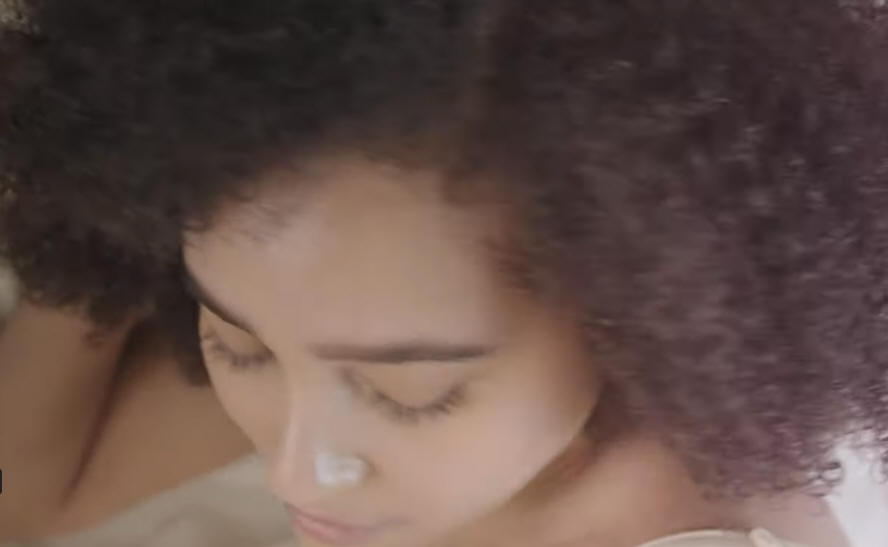 Curls
Curls
.
.
Click the link below for the article:
.
__________________________________________
 James' World 2
Leave a comment