
Click the link below the picture
.
As people age, a simple slip can have devastating consequences. Falls are the leading cause of injury and death from injury among older people in the U.S., where more than a quarter of adults aged 65 and older report taking a tumble at least once in a given year.
A new study in JAMA Network Open estimates that at least 13 percent of people in this age group have endured a traumatic brain injury in roughly the last two decades, and falling is a leading cause. Even relatively healthy older adults, who aren’t already affected by underlying conditions such as cardiovascular disease or cognitive decline, aren’t spared from this somber statistic, says the study’s lead author Erica Kornblith, a clinical neuropsychologist at the University of California, San Francisco. Head injuries are generally more common among older adults because, for them, “injuries are likely to happen due to a fall in the course of everyday activities,” she says.
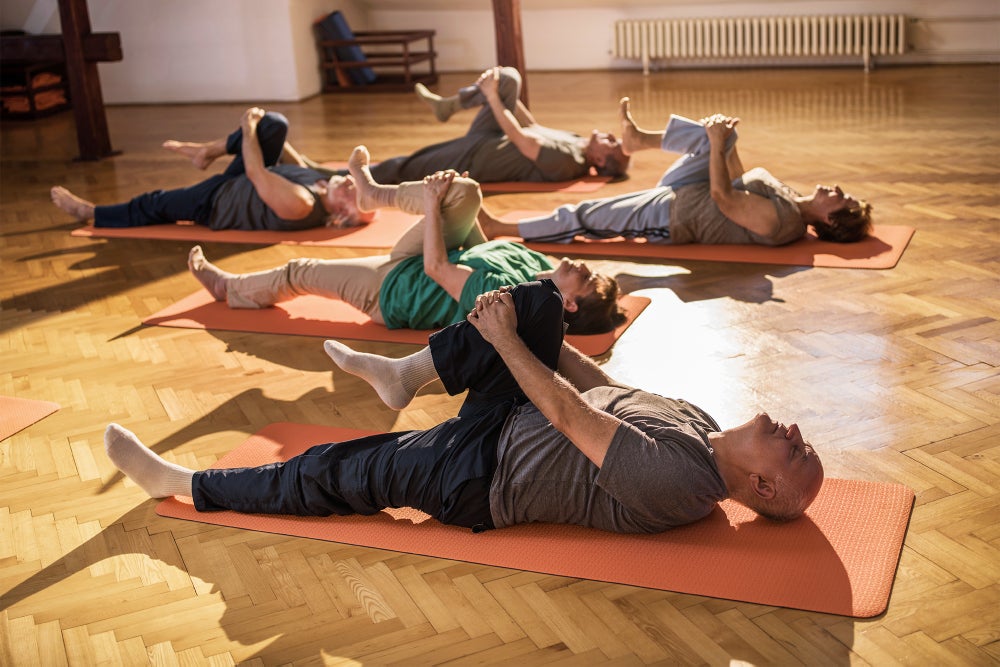
Fortunately, research points to lifestyle adjustments that can help. For example, it might seem that moving around more could increase the chances of a catastrophic slip, but a group of independent primary care experts on the U.S. Preventive Services Task Force recently recommended regular exercise as the simplest strategy to ward off future falls, especially if older adults start early.
Risk Factors
During the twilight years, the body inevitably weakens. Everyone’s muscle mass tends to decline with age, but people with a condition called sarcopenia experience more serious age-related muscle atrophy. Muscle loss whittles away at balance and gait, and shortens the reaction time needed to catch ourselves if we stumble.
A slippery bathroom floor, a loose rug, or other common obstacles can also pose tripping hazards for older adults who might already be unsteady on their feet. Poor lighting may hinder navigation among older adults with deteriorating vision and hence lower their spatial awareness.
Seniors are also more likely than younger people to have chronic health conditions that further increase the risk of falling. Diabetes and cardiovascular disease, for example, can contribute to a loss of sensory and motor function. Medications to treat these conditions as well as others may also inadvertently increase the chances of a tumble, says Kathleen Cameron, senior director of the nonprofit National Council on Aging’s Center for Healthy Aging. Waning kidney and liver function makes the body less efficient at metabolizing drugs. The resulting toxic buildup of such substances increases the risk of adverse effects such as lightheadedness, drowsiness, and confusion; this can impair cognition and threaten navigational ability. “Balancing the risks and the benefits of those medications is really important,” Cameron says.
.
 BraunS/Getty Images
.
.
Click the link below for the article:
.
__________________________________________
 James' World 2
Leave a comment