
Click the link below the picture
.
An enormous asteroid crashed into the Earth about 65 million years ago. While terrestrial dinosaurs like the famed Tyrannosaurus rex were wiped out, many avian animals really began to flourish. Considering that there are more than 10,000 species of birds on Earth, flourish may even be an understatement. Keeping birds organized in a neat family tree is a bit of a Herculean task, since there are so many species and their evolution has been a little unclear. However, some advances in genomic sequencing and analysis are beginning to create a more lucid picture of how the planet’s living dinosaurs evolved.
In two studies published April 1 in the journals Proceedings of the National Academy of Sciences (PNAS) and Nature, scientists reveal that a genetic event about 65 million years ago has misled them about the true history of avian evolution. A section of one chromosome hasn’t mixed together with nearby DNA as it should have. This section is only tiny fraction of the bird genome, but was enough to make it difficult for scientists to build a more detailed bird family tree.
A sticky chunk of DNA
In 2014, advances in computer technology used to study genomes helped scientists piece together a family tree for the Neoaves. This group includes the majority of bird species. Using the genomes of 48 species, they split the Neoaves into two major categories. Doves and flamingos were in one group, and all the other bird species belonged to the other group.
When a similar genetic analysis was repeated using 363 bird species for this new study, the team saw a different family tree emerge. This one points to four main groups and reveals that flamingos and doves are more distantly related, and it all came back to a specific spot in the chromosomes.
Within these two family trees, the team looked for explanations that could tell them which one was correct. They found one spot on the genome, where the genes were not as mixed together as they should have been over millions of years of sexual reproduction.
“When we looked at the individual genes and what tree they supported, all of a sudden it popped out that all the genes that support the older tree, they’re all in one spot,” a co-author of the study published in PNAS and University of Florida biologist Edward Braun said in a statement. “That’s what started the whole thing.”
Birds combine genes from a father and a mother into the next generation, but they first mix the genes they inherited from their parents when creating sperm and eggs. This process is called recombination, and it is also something that occurs in humans. Recombination maximizes a species’ genetic diversity by ensuring that no two siblings are exactly the same.
.
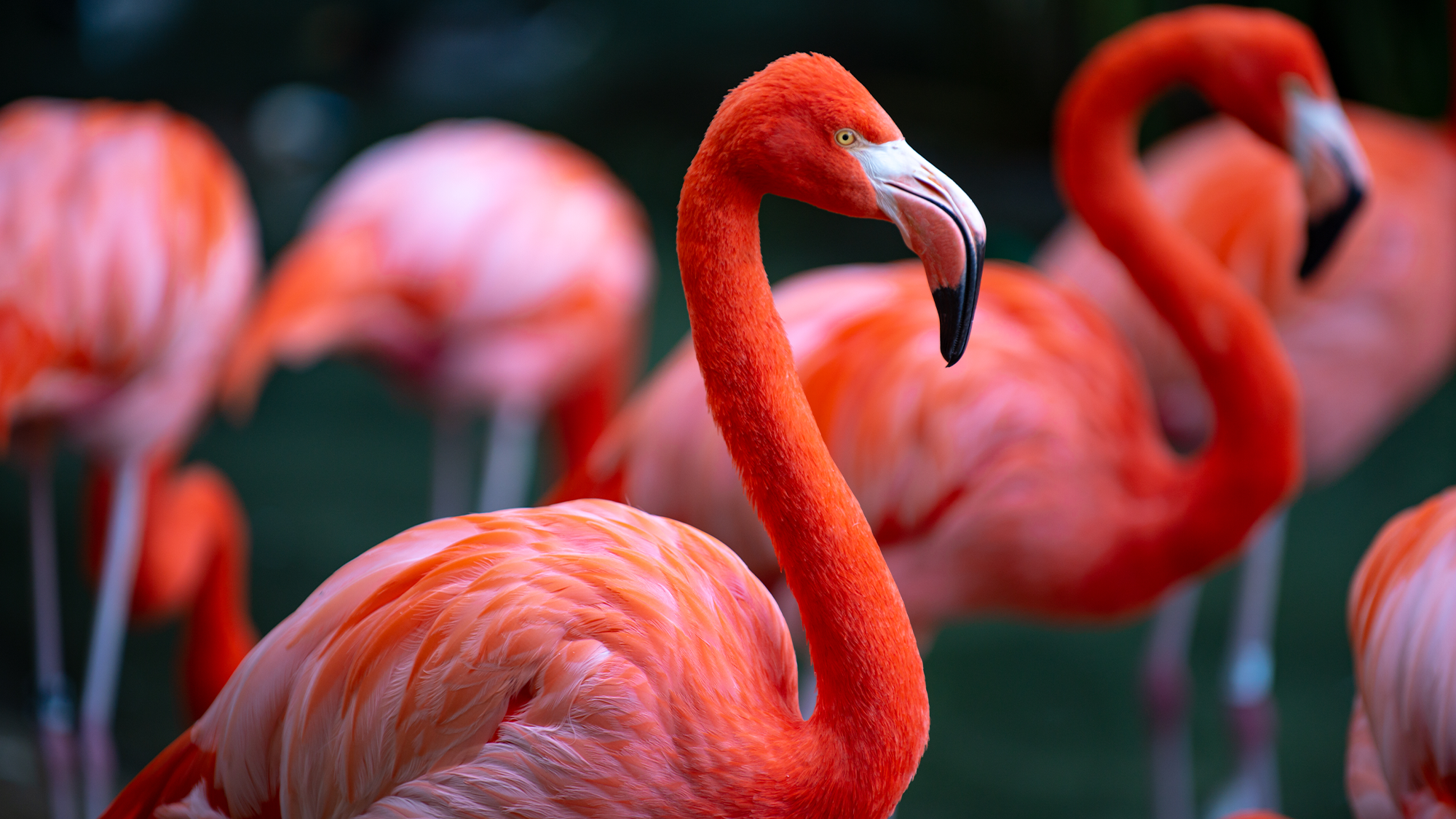 A newer bird family tree identifies flamingos and doves as more distantly related than scientists previously believed. Deposit Photos
.
.
Click the link below for the article:
.
__________________________________________
 James' World 2
Leave a comment