
Click the link below the picture
.
When The Sims debuted in February 2000, the average house price in the U.S. was just over $200,000. I was 8 years old, and I would spend hours at my best friend’s house, taking turns on her PC to design our dream homes.
The Sims felt like a trial run for adulthood, exploring how you’d make use of your future autonomy. Much of this validated the importance of personal space: how to lay out a room, how to choose a sofa that balanced aesthetics and comfort, how to make a house a home.
My friend and I made liberal use of the cheat code, granting limitless funds. Rosebud, we’d type whenever the coffers were running low. Rosebudrosebudrosebud. Or else, when we were really strapped: motherlode.
Today, the average price of a home is nearly $490,000. The ratio of home price to median household income has jumped from 4.33 to 7.57 (as of November). Everything is more expensive, and wages have failed to keep pace. Roughly half of millennials in the U.S. are still renting, a far larger share than in past generations. Forget cheat codes and vibromatic heart beds, the likes of which I splurged on for my Sims. Adulthood, for me and many people my age, has been defined by moving from rental to rental. My childhood dream of designing a dwelling that reflects me from top to toe has instead, for years, been squeezed into shared living spaces and whittled down by prescriptive leases. I’ve not even been able to hang things on the wall without my landlord’s permission.
When I learned that The Sims had recently released a For Rent expansion pack enabling people to play as tenants or property managers, I felt the kind of commingled hurt, umbrage, and morbid curiosity that you might experience when confronted by a cynical remake of your favorite childhood film.
The official trailer for The Sims 4: For Rent emphasizes the potential of “multiunit life,” promising “ample opportunity … [for] eavesdropping, snooping, or even breaking and entering”—a description that instantly evoked memories of my worst roommates.
Its view of landlords, on the other hand, is benevolent, exhorting players to “be more than a property owner—be a community builder” (with the reassurance that, should your community be late with rent payments, “you can even take their stuff!”).
The original Sims seeded a fantasy of independent adulthood across an entire generation. Why would millennials, unable to own their own places, sully the site of our nostalgia by playing as landlords? Was turning the tables, if only in our imaginations, meant to be somehow cathartic?
EA declined to put forward a game designer for interview but did extend to me For Rent for review—and so, for the first time since I was a child, I returned to the simulated world that had made me so anticipate adulthood.
.
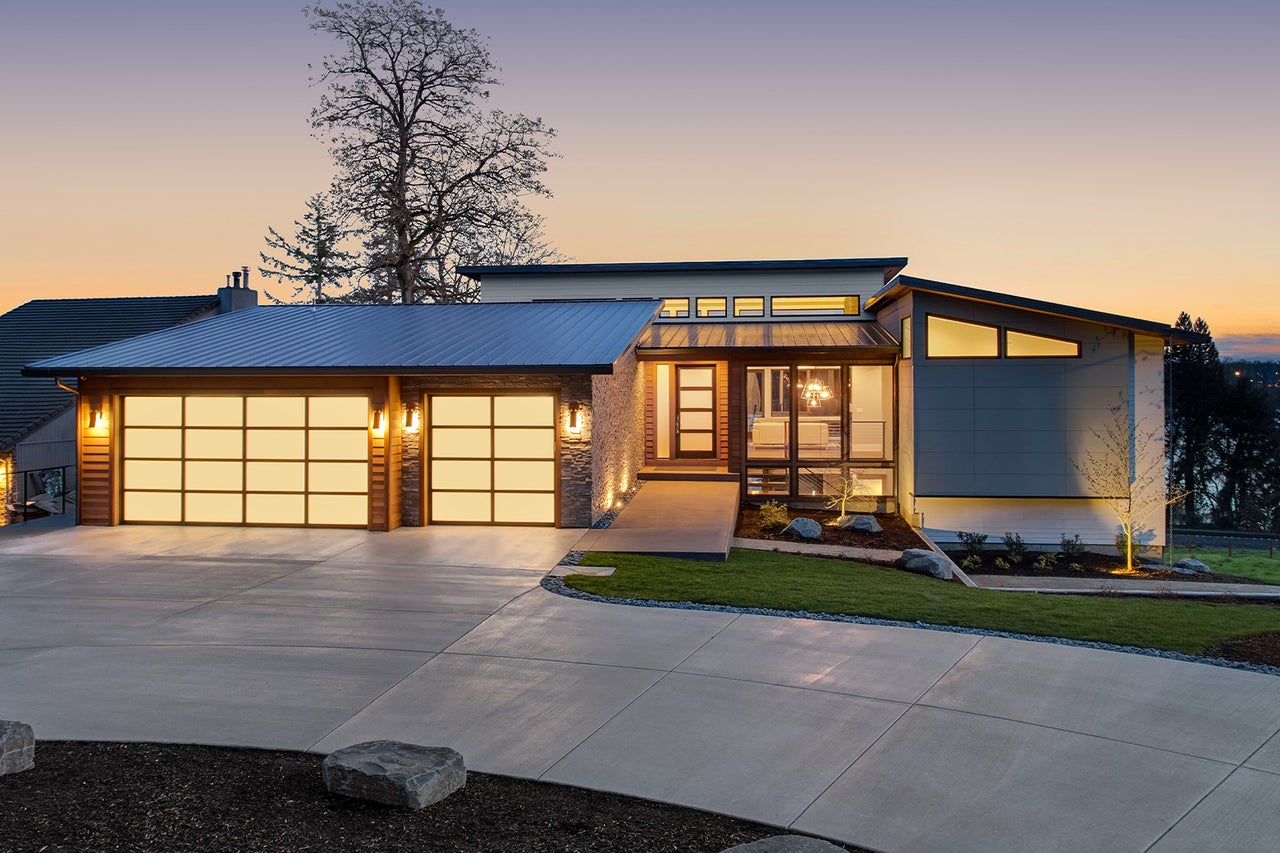 hikesterson/iStock/Getty Images Plus
.
.
Click the link below for the article:
.
__________________________________________
 James' World 2
Leave a comment