
Click the link below the picture
.
Peru’s Manu Biosphere Reserve is the largest rainforest reserve in the world and one of the most biodiverse spots on the planet. Manu is a UNESCO-protected area the size of Connecticut and Delaware combined, covering an area where the Amazon River Basin meets the Andes Mountain Range. This combination forms a series of unique ecosystems, where species unknown to science are discovered every year. The remoteness of the region has helped preserve its biodiversity but adds to the challenges faced by the scientists who are drawn to study it.
Trapping wildlife for research in the dense jungle is impractical, especially considering the great distances researchers have to travel within Manu, either through the forest or on the waterways. It’s an expensive proposition that inevitably exposes the trapped animals to some amount of risk. Trapping rare and endangered animals is even more difficult and comes with significant risks to the animal.
Trapping beetles, however, does not pose the same challenges. They’re easy to catch, easy to transport, and, most importantly, carry the DNA of many animals in and on them. Any animal a biologist could hope to study leaves tracks and droppings in the forest, and the beetles make a living by cleaning that stuff up.
Beetles as DNA collectors
Beetles are plentiful in the rainforest, and the species that Alejandro Lopera-Toro’s team studies are not endangered. The study does mean that the beetles are killed, but overall, the effect on the ecosystem is minimal.
According to Peruvian biologist and team member Patricia Reyes, “The impact depends on the abundance and reproductive cycle of each species. Reducing the beetle population could have an effect on their predators, such as birds, reptiles, and other insects. The health of the forest depends on the beetles’ function to break down organic matter and disperse seeds. Despite not having found any effect on the ecosystem so far, we still limit how many individual beetles we collect and identify sensitive areas where collecting is prohibited. We promote sustainable methods of collection to mitigate possible impacts in the future.”
.
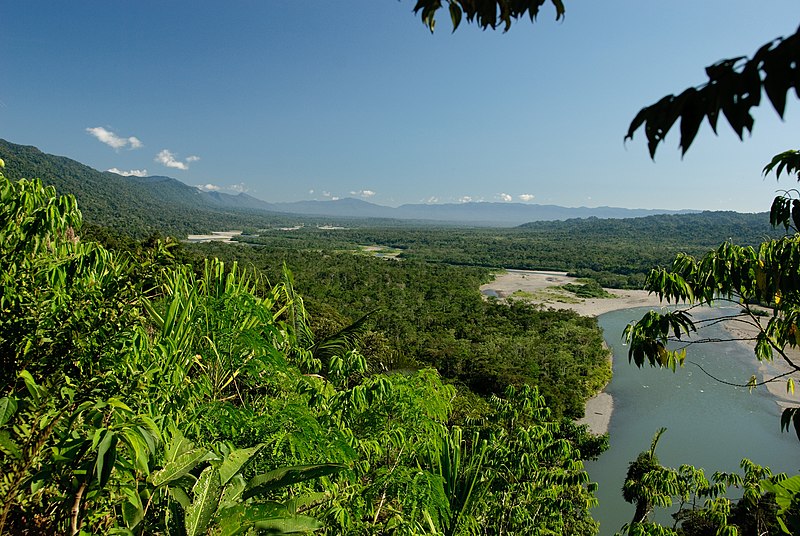 The Manu area of Peru contains a number of ecological zones.
.
.
Click the link below for the article:
.
__________________________________________
 James' World 2
Leave a comment