
Click the link below the picture
.
If this year’s turkey seems over brined, blame your brain.
The question of when salty becomes too salty is decided by a special set of neurons in the front of the brain, researchers report in the journal Cell.
A separate set of neurons in the back of the brain adjusts your appetite for salt, the researchers showed in a series of experiments on mice.
“Sodium craving and sodium tolerance are controlled by completely different types of neurons,” says Yuki Oka, an author of the study and a professor of biology at Caltech.
The finding could have health implications because salt ingestion is a “major issue” in many countries, including the United States, says Nirupa Chaudhari, a professor of physiology and biology at the University of Miami’s Miller School of Medicine.
Too much salt can cause high blood pressure and raise the risk for heart disease and stroke, says Chaudhari, who was not involved in the study.
Craving, to a point
The study sought to explain the complicated relationship that people and animals have with salt, also known as sodium chloride.
We are happy to drink sodas, sports drinks, and even tap water that contain a little salt, Oka says. “But if you imagine a very high concentration of sodium like ocean water, you really hate it.”
.
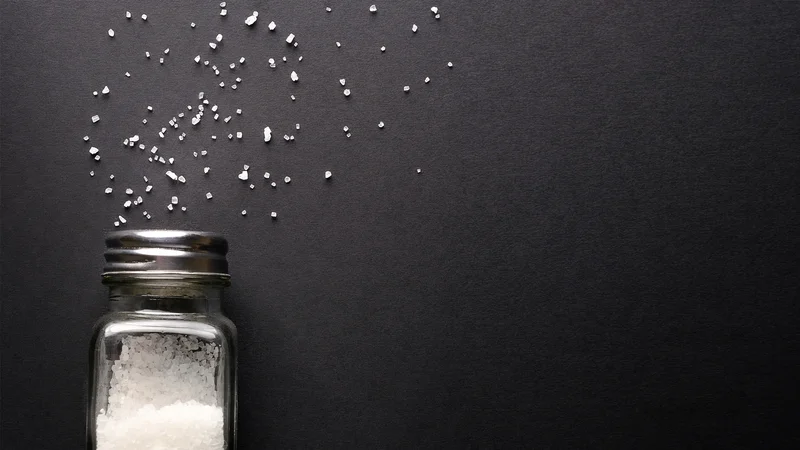
Two brain circuits help determine whether there’s too little salt, or too much. Aleksandr Zubkov/Getty Images
.
.
Click the link below for the article:
.
__________________________________________
 James' World 2
Leave a comment