
Click the link below the picture
.
No parent wants their child to know about war. We want our kids to feel safe, loved, and free from worry, but this is not always possible. Wars continue to happen in all corners of the world, and children are going to find out about them whether we want them to or not. They’ll find out at school, from friends, online. And even though it feels terribly difficult, especially when we are deeply afraid ourselves, there will come a time when we need to talk to our kids about frightening world events like war. Here are a few things to consider as you approach these difficult conversations.
Consider their age.
While every child and every family is different, UNICEF recommends that parents try to be mindful of age-appropriateness when discussing big world events like war. Some younger children might not yet have the capacity to comprehend. UNICEF recommends parents “speak calmly and be mindful of your body language” as children are sensitive to our emotional cues and facial expressions.
Stay ahead of the news.
If there is going to be considerable news coverage of a war or conflict, and you know your child will be likely to find out, try to be the first one to explain it to them. Dr. Harold Koplewicz, president of the Child Mind Institute and child psychologist, advises parents and caregivers to try to break the news to their children before they have the chance to stumble across a frightening headline or hear the news from another child. “Don’t delay telling your children about what’s happened … You want to be able to convey the facts, however painful, and set the emotional tone,” Koplewicz suggests.
.
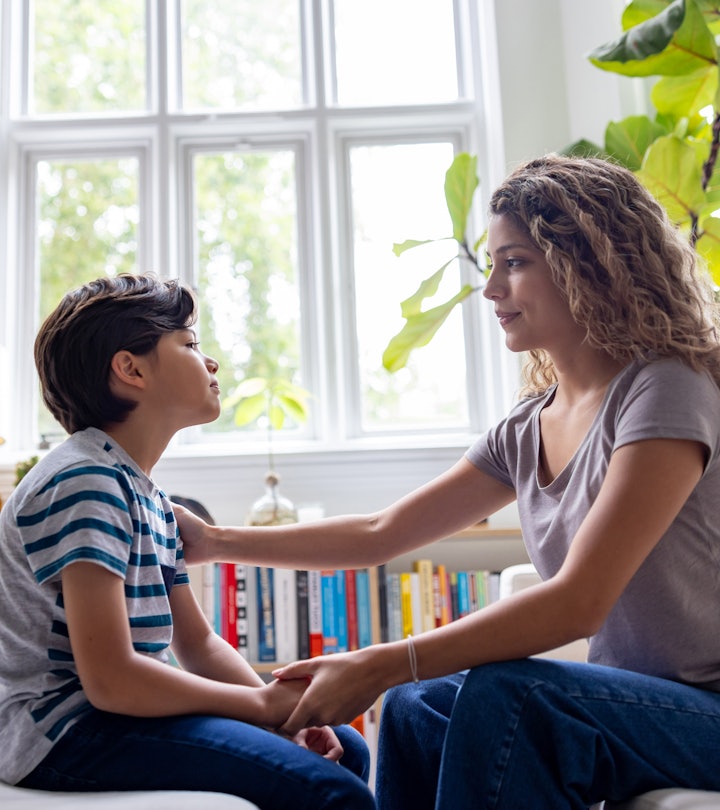 Wars continue to happen in all corners of the world, and children are going to have questions.
.
.
Click the link below for the article:
.
__________________________________________
 James' World 2
Leave a comment