
Click the link below the picture
.
If you’re anything like me, then you might experience mild analysis paralysis when choosing what to order from an extensive menu. I am so indecisive that the waiter often has to come back a few minutes after taking everyone else’s order to finally hear mine. Many of the choices seem good, but by trying to ensure I select the absolute best, I run the risk of missing out altogether.
Even before the internet brought unprecedented consumer options directly into our homes and the phones in the palms of our hands, choice had long been seen as the driving force of capitalism. The ability of consumers to choose between competing providers of products and services dictates which businesses thrive and which bite the dust – or so goes the long-held belief. The competitive environment engendered by consumers’ free choice supposedly drives innovation and efficiency, delivering a better overall consumer experience.
However, more recent theorists have suggested that increased choice can induce a range of anxieties in consumers – from the fear of missing out (Fomo) on a better opportunity, to loss of presence in a chosen activity (thinking “why am I doing this when I could have been doing something else?”) and regret from choosing poorly. The raised expectations presented by a broad range of choices can lead some consumers to feel that no experience is truly satisfactory, and others to experience analysis paralysis. That more options provide an inferior consumer experience and make potential customers less likely to complete a purchase is a hypothesis known as the “paradox of choice”. Indeed, experiments on consumer behavior have suggested that excessive choice can leave consumers feeling ill-informed and indecisive when making a purchasing decision.
.
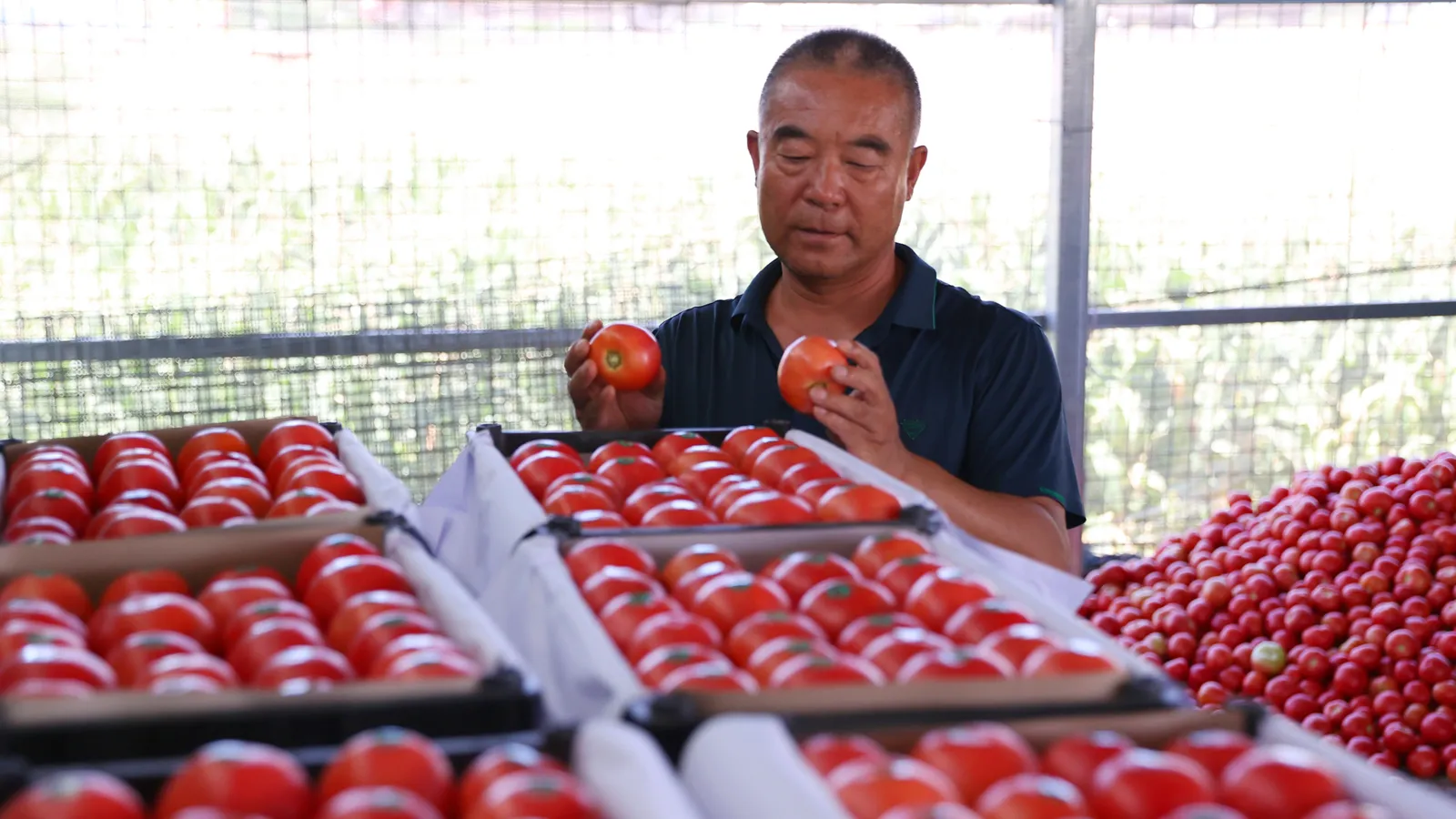 (Image credit: Getty Images)
.
.
Click the link below for the article:
.
__________________________________________
 James' World 2
Leave a comment