
Click the link below the picture
.
When it’s dark outside, and the lights are on, I can see straight into my neighbor’s house. It’s a few days before Christmas, and she appears to be performing a mini Broadway show – in her pajamas. In front of a tastefully decorated tree, she squeals ‘It’s tiiiiiiimmmeee!!!!’ as she drops to the floor on her knees, spreads jazz hands, and wiggles her chest. Her smile is a dazzling white, her honey-colored hair sits in bouncy waves. Behind her, three young girls, in matching nightwear, twirl with giant candy sticks.
One day, I pick up binoculars. For hours, I observe this picture-perfect mother, her strong-jawed husband, and their five children, as they eat, read, sing and dance. My neighbor opens her curtains a little wider – she wants me to watch her. Soon she starts showing me products she uses so that, I too, can purchase this fantasy existence and be just like her.
I don’t spy on my neighbors. (I would be arrested.) But I’ve spent hours doing a completely legal equivalent: trailing fellow mothers online. Madison Fisher provides footage of everything, from the monumental (the birth of her twins) to the mundane (meal prep), to millions of followers on YouTube and Instagram. She is one of thousands of mothers on social media – dubbed ‘momfluencers’ – who open up their lives for my consumption.
Instagram gained popularity as a clever way to add filters to your spring break photos. When sponsored posts were launched, following the company’s sale to Facebook in 2012, it transformed into something else entirely: a giant shopping mall. In 2021, 3.8 million Instagram posts were marked worldwide with the hashtag #ad, a 27 percent jump from the year before. Instagram runs on sex, for sure: scantily clad women sell lipstick, handbags, and dietary supplements. It also runs on what happens nine months later: babies.
.
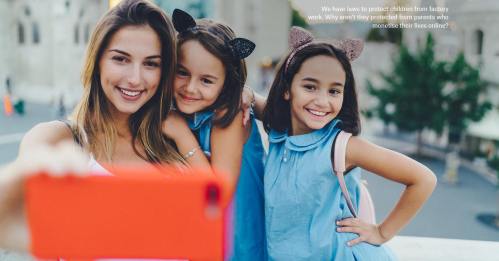 Photo by martin-dm/Getty
.
.
Click the link below for the article:
.
__________________________________________
 James' World 2
Leave a comment