
Click the link below the picture
.
A suburban playground on a cold winter’s day. A man in his early 30s, wearing a beanie, leather jacket, and scarf, pushes a toddler on a swing, a dead look in his eyes. On the climbing frame, twins are jostling each other. Their mother stands underneath, hopping from foot to foot, her eyes darting from one girl to the next, issuing warnings, instructions; her voice rises anxiously in pitch. Looking around, I see only one adult smiling, but then she’s talking to her friend; their children are some way off, fighting each other with sticks.
There’s nothing particularly striking here. It could be any day of the week, in any town. And there’s nothing revelatory about the thought of parents secretly wishing they were anywhere else but the local playground, perhaps envying their childless friends; even wondering, during the sleepless nights, or in the aftermath of a fight with a recalcitrant teenager, why they had children at all. What is distinctive of our times is how few parents — still, even in our post-Freudian age — will openly admit to feelings of ambivalence towards their children. In an age where very little — from sex to money — is left a mystery, parental ambivalence remains one of the last taboos.
And yet the fact of parental ambivalence is a truth as old as mythology itself. Think how many fairytales begin with children being cast out by parents, either, as in the Brothers Grimm story ‘Brother and Sister’, being forced to leave on their own; or, like Hansel and Gretel, abandoned in a place from where they cannot find their way back. The fate reserved for older children, often adolescents, is usually more severe: the jealous queen in ‘Snow White’ orders her stepdaughter to be killed; and, in ‘The Three Languages’ by the Brothers Grimm, the king, frustrated by an adolescent son who persists in going against his wishes, eventually casts him out and orders his servants to do away with him. The narrative use of the wicked stepmother is worth noting here: it’s as if the child intuitively understands that his mother (and indeed father) can sometimes harbor hostile feelings towards him, but it’s safer to locate this cruelty in the figure of the stepmother, who can then be dispatched to a bloody end.
.
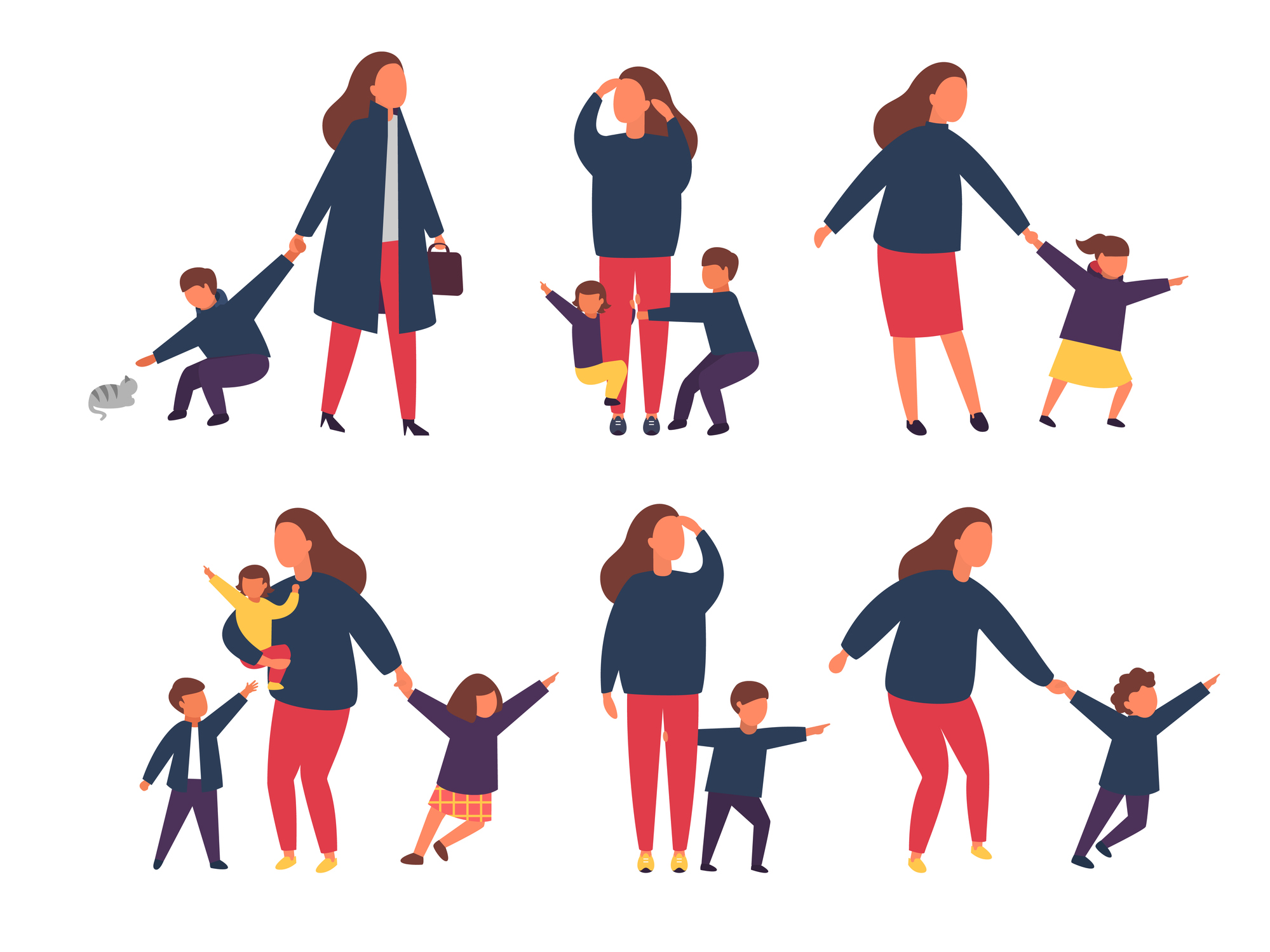
Image from Yapanda/Getty Images.
.
.
Click the link below for the article:
.
__________________________________________
 James' World 2
Leave a comment