
Click the link below the picture
.
Veronica started using filters to edit pictures of herself on social media when she was 14 years old. She remembers everyone in her middle school being excited by the technology when it became available, and they had fun playing with it. “It was kind of a joke,” she says. “People weren’t trying to look good when they used the filters.”
But her younger sister, Sophia, who was a fifth-grader at the time, disagrees. “I definitely was—me and my friends definitely were,” she says. “Twelve-year-old girls having access to something that makes you not look like you’re 12? Like, that’s the coolest thing ever. You feel so pretty.”
When augmented-reality face filters first appeared on social media, they were a gimmick. They allowed users to play a kind of virtual dress-up: change your face to look like an animal, or suddenly grow a mustache, for example.
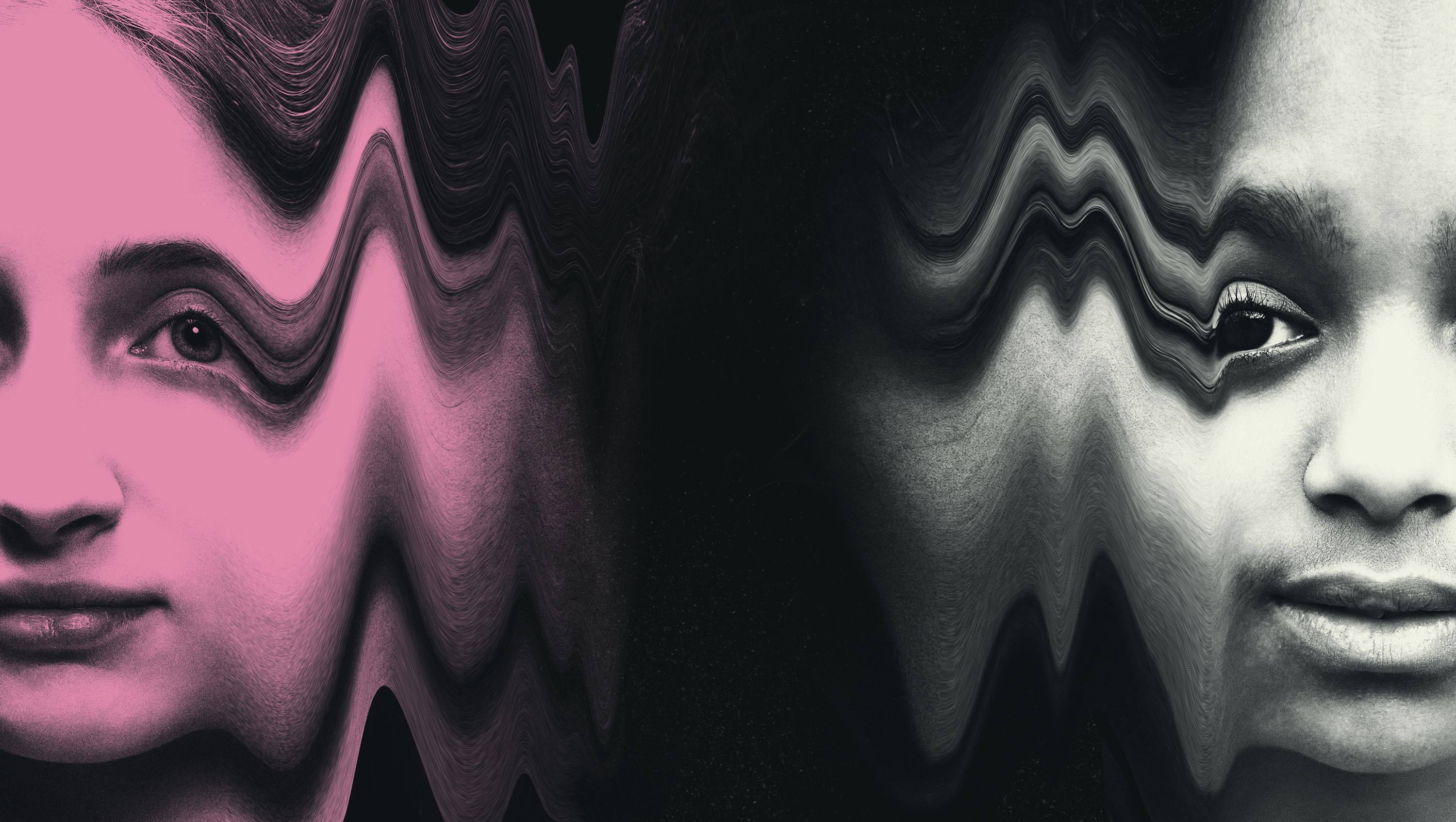
Today, though, more and more young people—and especially teenage girls—are using filters that “beautify” their appearance and promise to deliver model-esque looks by sharpening, shrinking, enhancing, and recoloring their faces and bodies. Veronica and Sophia are both avid users of Snapchat, Instagram, and TikTok, where these filters are popular with millions of people. Through swipes and clicks, the array of face filters enable them to adjust their own image, and even sift through different identities, with new ease and flexibility.
.
 Joan Wong
.
.
Click the link below for the article:
.
__________________________________________
 James' World 2
Leave a comment