The world of espionage is facing tremendous technological, political, legal, social, and commercial changes. The winners will be those who break the old rules of the spy game and work out new ones. They will need to be nimble and collaborative and—paradoxically—to shed much of the secrecy that has cloaked their trade since its inception.
The balance of power in the spy world is shifting; closed societies now have the edge over open ones. It has become harder for Western countries to spy on places such as China, Iran, and Russia and easier for those countries’ intelligence services to spy on the rest of the world. Technical prowess is also shifting. Much like manned spaceflight, human-based intelligence is starting to look costly and anachronistic. Meanwhile, a gulf is growing between the cryptographic superpowers—the United States, United Kingdom, France, Israel, China, and Russia—and everyone else. Technical expertise, rather than human sleuthing, will hold the key to future success.
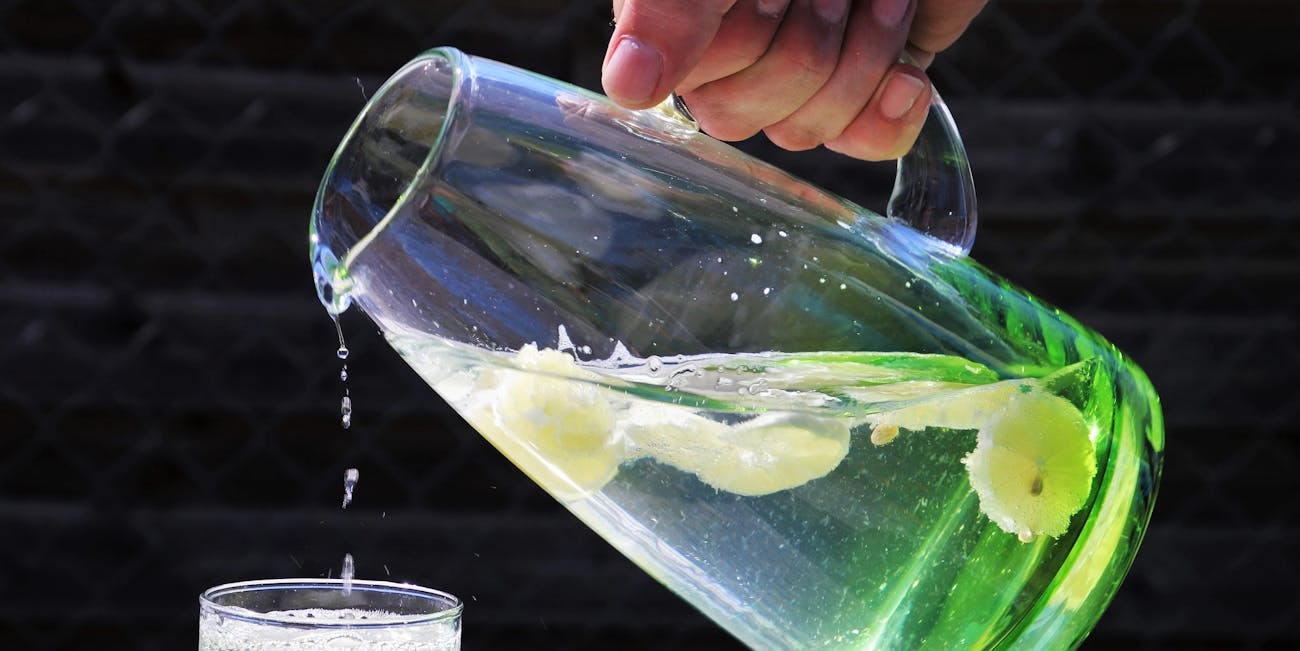
Everyone knows humans need water and we can’t survive without it. We’ve all heard we should be aiming for eight glasses, or two liters, of water per day.
This target seems pretty steep when you think about how much water that actually is, and don’t we also get some water from the food we eat?
We asked five medical and sports science experts if we really need to drink eight glasses of water per day.
Interest in Impossible Foods’ plant-based meat alternative is growing so much that the company is struggling to keep up, the company said Tuesday.
.
The acknowledgment comes just after the company expanded its partnership with Burger King. Earlier this week, the fast food chain shared that it plans to sell the meatless patty as a Whopper at all of its US locations by the end of the year. Restaurant Brands International, which owns Burger King, said a St. Louis test of the Impossible Whopper went “exceedingly well.”
.
That nationwide rollout would essentially double the amount of restaurants that Impossible works with. Burger King had about 7,300 locations nationwide at the close of last year. Right now, Impossible supplies its product to about 7,000 restaurants.
Quitting a job is the final act that severs the relationship between you and your employer. When things turn sour, it’s the act of defiance that tells an employer, “You don’t control me.”
When HuffPost asked for stories of the breaking points that drove readers to quit their jobs, many answered the call. A few themes emerged: People left jobs over toxic bosses, co-workers, and workplace environments, plus the mental and physical toll of this toxicity. They also left jobs they loved over low salaries and the discovery that a co-worker earned more than they did. A few even left over physical endangerment.
A thread of frustration ran through them all. Years after the events occurred, in many cases, these workers could recall their breaking point and the emotions associated with it in detail. Sound familiar?
.
LoveTheWind via Getty Images
Twelve professionals share the breaking points that drove them to quit their jobs.
Film and Writing Festival for Comedy. Showcasing best of comedy short films at the FEEDBACK Film Festival. Plus, showcasing best of comedy novels, short stories, poems, screenplays (TV, short, feature) at the festival performed by professional actors.

 Spies
Spies
 By
By 
 Impossible burger


 James' World 2