
Federal Government Separates Native Children from Families to “Civilize” Them
Assorted human interest posts.
October 31, 2025
Business, Food For Thought, Human Interest, Political, Science, Technical amazon, business, Business News, current-events, Future, Hotels, human-rights, medicine, mental-health, research, Science, Science News, technology, Technology News, travel, vacation Leave a comment

Click the link below the picture
.
Inflammation has two faces. It can be short-lived, like the swelling after a twisted ankle or a two-day fever when you get a mild flu, both part of the healing process. Or it can be a longer-lasting and more damaging affliction—chronic, low-grade inflammation that lingers in the body for years without obvious symptoms, silently harming cells. A steady stream of studies has connected this type of chronic inflammation to many serious conditions, including Alzheimer’s, heart disease, some cancers, and autoimmune illnesses such as lupus.
These findings have begun to reframe how scientists think about disease and some of its causes. They’ve also created a booming market for supplements promising to lower chronic inflammation. These pills, capsules, and powders are projected to become a $33-billion industry by 2027, offering consumers a sense of control over a complex and confusing ailment. Although thousands of products claim to “support immunity” or “reduce inflammation,” most lack solid evidence.
Chronic inflammation is damaging because it involves immune system cells and proteins that typically fight short-term battles against bacteria, viruses, and other pathogens. But when these immune system components stay activated for years, they begin to hurt healthy cells and organs. They are intended to break down invading microbes, but over time their ongoing activity can harm blood vessels, for instance, by damaging normal cells that make up the vessels’ inner linings or promoting the growth of plaques. That can lead to clots that interrupt or cut off blood flow, increasing the risk of heart attacks and strokes.
We reviewed dozens of studies and spoke with researchers to find out whether any supplements demonstrate anti-inflammatory activity not just in laboratory animals and cultured cells but in human trials. Just three compounds, it turns out, have good evidence of effectiveness: omega-3 fatty acids, curcumin, and—in certain ailments—vitamin D.
What is good evidence? We looked for consistent results across several studies that scientists described as large and well designed. Many of the more convincing trials focus on biomarkers that researchers use to track inflammation in the body. These include C-reactive protein (CRP), a molecule produced by the liver when inflammation is active, and cytokines, which are chemical messengers such as interleukin-6 (IL-6) and tumor necrosis factor alpha (TNF-α), both secreted by immune and fat cells.
Still, interpreting these markers isn’t straightforward. “We don’t have a universally accepted or standardized measurement,” says Frank Hu, chair of the department of nutrition at Harvard University. And inflammation involves hundreds of different types of cells and many signaling pathways, adds Prakash Nagarkatti, director of the National Institutes of Health Center of Research Excellence in Inflammatory and Autoimmune Diseases at the University of South Carolina. This complexity makes it difficult to prove that any supplement works consistently.
The compounds that do show promise will not cure cancer or halt dementia. But they may help quiet the kind of underlying inflammation that has been tied to risks of illness.
Among the hundreds of supplements tested for their effects on human health, omega-3 fatty acids are supported by some of the most compelling evidence. And scientists understand why they work. Two of the main types of omega-3s are eicosapentaenoic acid and docosahexaenoic acid, better known as EPA and DHA. The body metabolizes them into signaling molecules that block the production of certain cytokines and disrupt the nuclear factor κB pathway, which governs the expression of genes tied to inflammation.
Multiple studies suggest that omega-3 supplements can reduce markers of chronic inflammation, Hu says, especially among people with underlying health conditions. A large, carefully controlled trial called VITAL (officially the Vitamin D and Omega-3 Trial), which followed more than 25,000 adults for about five years, found that omega-3 supplements slightly reduced CRP in people who rarely ate fish—fish is a natural omega-3 source, so these people were getting almost all their omega-3s from the supplements. The omega-3 supplements also were associated with a 40 percent reduction in heart attacks among those consuming the least fish. “The people who benefit the most from these supplements are people who start out with lower intake,” says JoAnn Manson, an endocrinologist at Harvard Medical School who co-led the study.
Smaller trials have suggested that omega-3 supplementation can reduce certain markers of inflammation—TNF-α, IL-6, CRP, and IL-8—especially in people with conditions such as heart failure, Alzheimer’s, and kidney disease. One 2012 trial found that small amounts—about 1.25 or 2.5 grams per day—lowered IL-6 levels by 10 or 12 percent, respectively, over four months. A similar group got a placebo instead, and their IL-6 levels increased by 36 percent during that period.
.
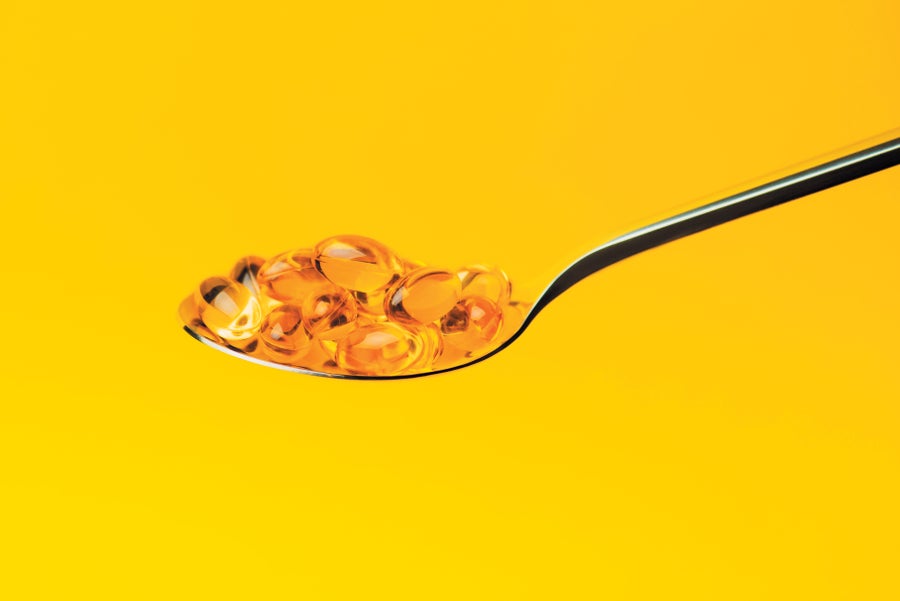
Capsules of omega-3 fatty acids show some of the best evidence as anti-inflammatories. Mensent Photography/Getty Images
.
.
Click the link below for the complete article:
.
__________________________________________
October 31, 2025
Business, Food For Thought, Human Interest, Political, Science, Technical amazon, business, Business News, current-events, Future, Hotels, human-rights, medicine, mental-health, research, Science, Science News, technology, Technology News, travel, vacation Leave a comment

Click the link below the picture
.
Republican U.S. Representative Clay Higgins of Louisiana is facing backlash online after saying that Supplemental Nutrition Assistance Program (SNAP) recipients who don’t have one month of groceries stockpiled should never receive the benefit again, and added, “because wow, stop smoking crack.”
Newsweek reached out to Higgins’ office via phone Thursday night for comment after hours and left a message.
Why It Matters
The fate of SNAP has become a critical flashpoint in the ongoing federal government shutdown, with nearly 42 million Americans facing potential interruptions in food assistance.
The benefits are expected to stop being issued on November 1, which has prompted Democratic Governor of New York Kathy Hochul to declare a state of emergency and calls for GOP House Speaker Mike Johnson to open Congress to vote on a bill to fund the program.
The controversy sheds light on broader policy and cultural battles over safety net programs, the federal budget and the use of political leverage in times of crisis.
What To Know
Taking to X on Thursday, Higgins, 64, said: “There are 22 million American households receiving SNAP benefits for groceries, at $4200 per year on average. Try to get your head wrapped around how many pantries you can stock with $4200 dollars in properly shopped groceries. Any American who has been receiving $4200 dollars per year of free groceries and does NOT have at least 1 month of groceries stocked should never again receive SNAP, because wow, stop smoking crack.”
The post sparked criticism online as Higgins was accused of playing into stereotypes and questioned about how much he spends on groceries.
Sarah Stogner, Republican district attorney for Texas’ 143rd Judicial District, reacted to Higgins on X Thursday, saying, “‘Stop smoking crack.’ Way to play to old stereotypes. How much do you spend annually on food? I bet you have no idea. When was the last time you personally did the grocery shopping for your family?”
What People Are Saying
Miranda Yaver, assistant professor of health policy and management at the University of Pittsburgh, on Bluesky Thursday in reaction to Higgins’ comments: “Republicans: Stop eating processed foods. Make healthy choices: eat more fresh food. Also, Republicans: You’re irresponsible if you don’t have a month’s food supply on hand to live on when we can’t keep the government open. More context: Avg. SNAP benefit is $6.20/person/day. Not enough to live.”
Author Kristine Rudolph, also on Bluesky Thursday: “Tell us you don’t do the grocery shopping in your house without telling us you don’t do the grocery shopping in your house.”
Bruno Pereira, New Jersey Libertarian Party chair, on X Thursday: “During COVID, I was spending $200 a week for baby formula. That’s over $10,000 a year. So what the hell are you talking about $4200, as if it is alot? When was the last time you went grocery shopping? Completely and absolutely out of touch. You should be ashamed of yourself.”
Tim Lambert, editor-in-chief of the Pennsylvania Capital-Star, on Bluesky Thursday: “That is about $80 a week.”
What Happens Next
Amid mounting criticism, the future of SNAP remains uncertain as legal and political battles continue. The Keep SNAP Funded Act, introduced by Republican U.S. Senator Josh Hawley of Missouri, proposes Congress appropriate funds to continue benefits during shutdowns.
.
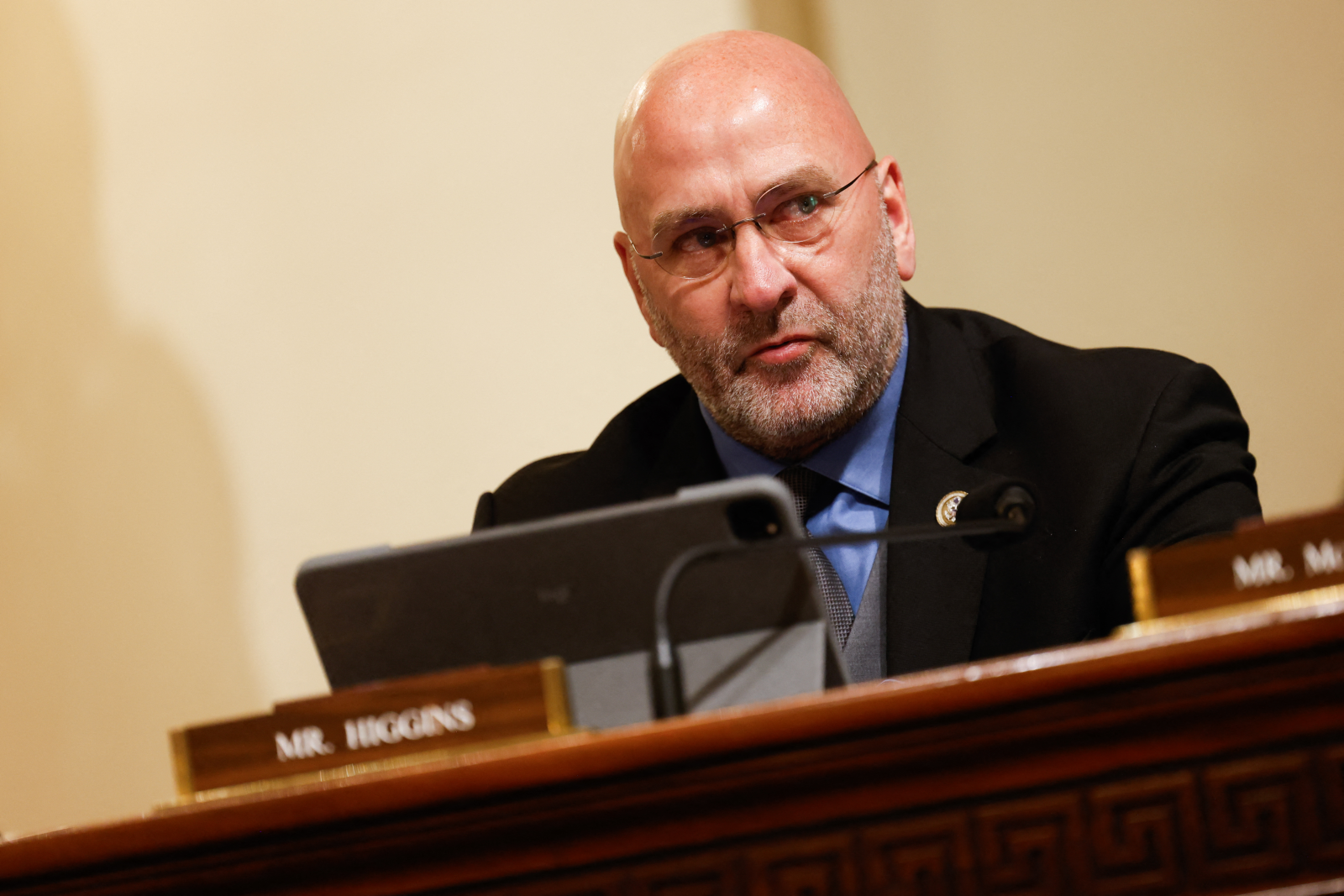 Republican U.S. Representative Clay Higgins is pictured at a budget hearing on Capitol Hill in Washington, D.C., on April 16, 2024. (Photo by JULIA NIKHINSON/AFP via Getty Images)
.
.
Click the link below for the complete article:
.
__________________________________________
October 31, 2025
Business, Food For Thought, Human Interest, Political, Science, Technical amazon, business, Business News, current-events, Future, Hotels, human-rights, medicine, mental-health, research, Science, Science News, technology, Technology News, travel, vacation Leave a comment

Click the link below the picture
.
When The New Yorker’s David Kirkpatrick set out to determine just how much Donald Trump and his family have profited from his time as president, experts told him the exact figures were unknowable. So Kirkpatrick crunched the numbers himself, and the scale he reported is staggering: Since entering the White House in 2017, Kirkpatrick says the Trump family has reportedly reaped an astonishing $3.4 billion.
According to Kirkpatrick’s new report in The New Yorker, the profits stretch across the entire Trump family network. Much of this wealth would have been unimaginable without the presidency. A $2 billion Saudi investment flowed into Jared Kushner’s firm, Affinity Partners, while Emirati and Qatari investors contributed billions more, as recently as last year. (Kushner has denied that investments in his company represent a conflict of interest.)
As Kirkpatrick notes, after doing the math, it’s reasonable to assume that Kushner could personally pocket between half and two-thirds of Affinity’s fees over the next 10 years.
There’s also the luxury jet given to the president by the emir of Qatar, which Trump has said will be donated to his presidential library after he leaves office, and at least five separate crypto ventures marketed with Trump’s name and political brand. But that’s just scratching the surface.
Start with Mar-a-Lago. Once a $100,000 club, Trump began sharply raising the initiation fee after the 2016 election. Kirkpatrick notes that, as of last fall, it was set to increase to a whopping $1 million. Kirkpatrick estimates Mar-a-Lago alone generated at least $125 million in additional profits directly tied to Trump’s political rise.
Then there’s Trump merch. He’s the first presidential candidate to run a private online store funneling supporters’ money straight into his pocket. Kirkpatrick reported that nearly $28 million has flowed in from MAGA hats, sneakers, picture books and even that infamous “God Bless the USA” Bible.
Don’t forget all those legal bills. Under U.S. law, campaign funds can’t cover a candidate’s personal expenses — but political action committees can. According to Kirkpatrick, Trump found a loophole by using PACs as his own personal piggy bank for funding his lawyers. By Kirkpatrick’s estimate, more than $100 million in supporter contributions have gone to defending Trump against lawsuits and criminal charges.
When you add up the money from Mar-a-Lago, merch and money spent for legal fees by PACs, Trump has reportedly raked in about $253 million — and that’s before you count the foreign money. From Kushner’s money from the Saudis, to steady business from gulf monarchies and foreign governments such as Vietnam, Trump’s businesses have become influence pipelines for despots and states eager to win him over.
“The claims that this President has profited from his time in office are absolutely absurd,” White House press secretary Karoline Leavitt said in a statement to The New Yorker. Leavitt said Trump had actually sacrificed “hundreds of millions of dollars” by choosing to serve as president and not work on his businesses full time.
It’s a fundamental rewiring of what public service means. Once upon a time, Americans worried about politicians being bought. Under Trump, the most powerful office in the country is up for sale.
But it doesn’t stop at self-enrichment. As The Wall Street Journal reported, Trump is reshaping the U.S. economy into something that looks like “state capitalism with American characteristics.” Like in China, it’s a system where the state — or in this case, Trump — rewards friends and punishes enemies.
The president has steered billion-dollar deals, pushed out CEOs and, as the Journal points out, extracted $1.5 trillion in investment pledges from Japan, the European Union and South Korea, which he claims he will personally direct, though no legal mechanism for doing so appears to exist.
.
 .
.
.
Click the link below for the complete article:
.
__________________________________________
October 31, 2025
Business, Food For Thought, Human Interest, Political, Science, Technical amazon, business, Business News, current-events, Future, Hotels, human-rights, medicine, mental-health, research, Science, Science News, technology, Technology News, travel, vacation Leave a comment

Click the link below the picture
.
The Trump administration on Thursday staunchly defended its decision to stop paying food stamps during the government shutdown, telling a federal court that it could not tap a tranche of available funds to provide aid to millions of poor Americans in November.
The arguments at times appeared to frustrate and confound a federal judge, who promised to rule soon on a lawsuit filed by roughly two dozen states that seek to ensure people do not go hungry as a result of a budgetary dispute.
The legal wrangling concerned the imminent fate of the Supplemental Nutrition Assistance Program, or SNAP, which provides monthly benefits to roughly 42 million people nationally. By Nov. 1, the program is set to exhaust its remaining funds, making it the most significant and dire casualty of a governmentwide closure that has now stretched into its fifth week.
Entering the hearing, top officials in the Trump administration had acknowledged that they had billions of dollars left over across multiple federal accounts, including money in an emergency reserve specifically for SNAP. The amounts appeared to total more than would be needed to cover the full costs of providing food stamps if the shutdown continued through November.
But lawyers for the Justice Department signaled that the administration could not, or would not, use those funds despite the looming shortfall.
In court filings and oral arguments, the Trump administration maintained that there were legal obstacles to transferring existing money to SNAP, technical hurdles in remitting payments quickly and other budgetary constraints to consider at the Agriculture Department, where the funds would originate.
Throughout the Thursday hearing, Judge Indira Talwani of the U.S. District Court for the District of Massachusetts frequently expressed skepticism about the administration’s claims. At one point, the judge said she saw no reason the government could not tap its own emergency reserves, given the nature and duration of the fiscal crisis.
“Congress has put money in an emergency fund,” she said. “It’s hard for me to understand how this isn’t an emergency, when there’s no money, and a lot of people are needing their SNAP benefits.”
Judge Talwani later said she believed it was up to the Trump administration to “figure out how you’re going to stretch that emergency money for now.”
The administration’s refusal to act underscored its broader strategy over the course of a government shutdown still with no end in sight. Throughout, President Trump has been willing to reprogram the federal budget, but only selectively, safeguarding programs at the heart of his political agenda while leaving some Americans to face the risk of real harm.
The White House did not respond to a request for comment.
For the roughly 42 million Americans who participate in the food stamp program, the immediate threat is hunger and financial hardship, with SNAP benefits set to disappear starting on Nov. 1. The benefits average around $187 a month, costing the federal government about $8 billion monthly, which lawmakers replenish every year as part of the budget process.
SNAP also maintains a reserve in case of emergencies or shortfalls, and many Democrats and Republicans had encouraged the Trump administration to tap that fund — totaling about $5 billion — in the event the shutdown entered November. Initially, the Agriculture Department signaled publicly that it would indeed use this contingency money to prevent any interruption to food stamp benefits.
But the Trump administration abruptly reversed course this month, saying that it could not legally drain the available reserves, except in cases of natural disasters. It also warned states that it would not reimburse them if they tried to finance food stamps on their own, though some local officials have forged ahead anyway.
.
 It remained unclear if, when, or how much of the money would reach the roughly 42 million people who depend on it to buy groceries. Credit…Ruth Fremson/The New York Times
.
.
Click the link below for the complete article:
.
__________________________________________
October 31, 2025
October 30, 2025
Business, Food For Thought, Human Interest, Political, Science, Technical amazon, business, Business News, current-events, Future, Hotels, human-rights, medicine, mental-health, research, Science, Science News, technology, Technology News, travel, vacation Leave a comment
Click the link below the picture
.
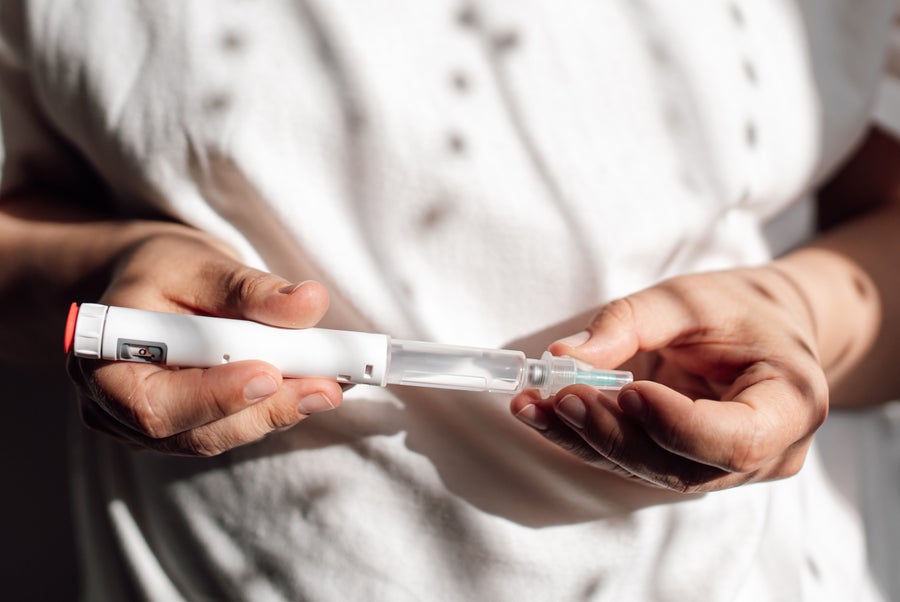
People taking popular new weight-loss drugs such as Wegovy and Zepbound often celebrate the number of pounds they shed and the related health benefits, but many doctors at weight-loss clinics are noticing a puzzling response in certain individuals. Andres J. Acosta, a gastroenterologist at the Mayo Clinic, says some of his patients have expressed frustration and disappointment as they watch friends or colleagues drop significant weight while taking the drugs but lose little or no weight themselves—even when they adhere to the medication’s instructions perfectly.
“They see themselves as a failure,” Acosta says. But the drugs’ effectiveness is likely outside of their direct control—scientists think their nonresponse could be related to what’s driving their excess weight in the first place.
About 12 percent of Americans have reported using one of the new drugs—known as glucagon-like peptide 1 (GLP-1) receptor agonists—for weight loss. Real-world data show that as many as one in four people on these drugs are “nonresponders,” which many experts define as those who lose less than 5 percent of their body weight after three months of taking a GLP-1 drug. (Five percent is the threshold above which people start to see improvements in health.) Clinical trials funded by Novo Nordisk on semaglutide, the active ingredient in the company’s weight-loss drug Wegovy and diabetes medication Ozempic, found that up to 23 percent of people fell into the nonresponder category. In Novo Nordisk’s latest trial, giving people a higher semaglutide dose didn’t decrease the proportion of nonresponders. To better understand why people show such big differences in their response to these medications, scientists have started investigating their underlying biology.
No two people respond exactly the same way to any weight-loss approach—whether it involves medication, surgery or lifestyle changes such as diet and exercise—because obesity is a complex phenomenon. GLP-1 drugs cause weight loss primarily by making people feel full. Variations in biological pathways that influence that mechanism—and that lead to excess weight or obesity—may make some people more likely to benefit from the drugs than others.
Researchers already know some factors that may influence how well someone responds to the drugs. Overall, people with type 2 diabetes who are taking the medication tend to lose less weight than those taking it for weight loss, and men, on average, lose less weight than women. But researchers suspect genetics may also play a role.
A small fraction of people with obesity carry rare, single-gene mutations that cause what is known as “monogenic obesity,” which leads to health issues at an early age. But for most people, obesity is thought to be polygenic, meaning it can originate from thousands of genetic variants. Environmental, biological, and behavioral factors also play a role, says Ruth Loos, a geneticist specializing in obesity and metabolism at the University of Copenhagen.
Acosta and his colleagues have worked on identifying four distinct biological phenotypes, or traits, of people with excess weight that may influence how they respond to the new weight-loss drugs. For example, some people have a “hungry brain” phenotype and need an abnormally high number of calories to feel full compared to others. On the other hand, people with a “hungry gut” phenotype may become full quickly but are hungry again soon after. The team’s latest study, published in August, found that some people felt full after consuming 140 calories in one sitting, whereas others needed more than 2,000. Although factors such as sex, body composition, and hormone levels helped explain this difference, genetics also seemed to play an important role.
Acosta and his team developed a score that combined genetic and physiological data to predict these differences in the number of calories needed to feel satiated. Using this score, the researchers found that people with the “hungry brain” phenotype tended to respond poorly to liraglutide, an early-generation GLP-1 drug, but they did better on phentermine-topiramate, a non-GLP-1 drug that acts on appetite suppression in the brain but is controversial for its cardiovascular risks. On the other hand, those with a “hungry gut” phenotype responded better to liraglutide. Acosta, also a founder and stockholder of an obesity precision medicine company involved in this research, says it might be because GLP-1 drugs prolong feelings of fullness after meals. The team saw similar results with semaglutide in unpublished results presented at the American Gastroenterological Association conference last year.
Other research groups are exploring specific genes that might influence GLP-1 drug response. Scientists at the Cleveland Clinic are investigating neurobeachin, a gene that appears to influence how people lose weight on GLP-1 drugs. The amount of variation—and the specific types of variations—in the neurobeachin gene can be used to create a genetic score that predicts a person’s response to the medication, says Daniel Rotroff, a precision medicine researcher at the Cleveland Clinic. In Rotroff and his colleagues’ analysis, people who had a higher score for these variations were at least 50 percent more likely than people who scored lower to not lose any weight on liraglutide. (The score was unable to predict how someone would respond to semaglutide.)
Some clues could explain why the gene might affect a person’s response to GLP-1 drugs. Variations in neurobeachin might affect how efficiently an enzyme called protein kinase A (PKA) helps the hypothalamus, a brain region that regulates appetite suppression. Because GLP-1 is known to activate PKA in other cells, genetic variations of neurobeachin may “ultimately impact how well the medication works for weight loss,” Rotroff explains.
.
 Iuliia Burmistrova/Getty Images
.
.
Click the link below for the complete article:
.
__________________________________________
October 30, 2025
Business, Food For Thought, Human Interest, Political, Science, Technical amazon, business, Business News, current-events, Future, Hotels, human-rights, medicine, mental-health, research, Science, Science News, technology, Technology News, travel, vacation Leave a comment
From

Click the link below the picture
.
Once you step inside a home in Morocco, chances are you’ll be greeted with a pour of steaming, freshly made Berber whiskey.
Despite its name, Berber whiskey doesn’t contain a drop of liquor. It’s essentially mint tea, made in a specific style exclusive to the region. It’s also known as the country’s national drink.
Berber refers to the indigenous people of North Africa, also known as Amazigh, whose history in Morocco dates back thousands of years and predates the arrival of Islam and Arab peoples.
The nickname ‘Berber whiskey’ originated from foreign visitors,” says Mohammed Ait Belhaj, mint tea master at the Kasbah Tamadot hotel in Asni, Morocco. “[Visitors] noticed that Moroccans drink [mint] tea almost all the time, with the same enthusiasm that whiskey might be served in other cultures.” The alternate name has become endearing to locals and is now proudly used to express their affection for the drink.
Moroccans sip Berber whiskey at almost any time of day. “In the morning with breakfast, after lunch, and in the evening during family gatherings,” says Ait Belhaj. “It’s a cherished tradition and an essential part of our daily life.”
What is Berber whiskey (Moroccan mint tea)?
Berber whiskey, or Moroccan mint tea, is made from Chinese green tea (specifically gunpowder tea), fresh mint, sugar, and boiling water. It’s brewed in a Moroccan teapot with a tall, curved spout, then poured from high above to aerate the tea and create a foamy “head” of bubbles.
There are several ways to prepare mint tea, and perfecting the process is considered an art form. For Ait Belhaj, his preferred method is using a metal teapot and heating the tea over charcoal. This approach allows the gentle heat to add depth to the tea’s flavors. Once ready, he serves the tea in small, engraved glasses.
Beyond the tea’s refreshing and comforting flavors, the drink represents so much more. “It’s a symbol of hospitality, generosity, and warmth,” says Ait Belhaj. He says that it’s rare to find oneself in a family or social gathering with no tea in sight. “It’s a way to connect, to share a moment, and to show respect to guests.”
Mint tea as a moment for conversation and sharing
Ait Belhaj has worked at Kasbah Tamadot for over 20 years. He started as a waiter at the hotel’s restaurant and then was the resort’s manager for a decade. Soon after retiring, he returned, making it his life’s mission to share and teach Morocco’s mint tea tradition to guests from around the world.
Every day, Ait Belhaj prepares tea in front of guests and shares the process from start to finish. During this demonstration, he carefully explains every ingredient and step.
“My favorite moment is the serving itself, seeing the guests’ smiles as they taste the tea for the first time,” says Ait Belhaj. “Preparing mint tea is a bridge to discover other cultures.” The entire tea-making process allows him to learn more about the guests while sharing a taste of Moroccan history and heritage.
Kasbah Tamadot offers guests a range of meaningful mint tea experiences, from learning how to brew the tea firsthand to visiting neighboring villages and enjoying a fresh cup in the homes of Berber families.
In Morocco, sharing mint tea among friends and family is considered one of the most important rituals of the day. The time spent both making and drinking the tea is meant for conversation and sharing.
How to enjoy Moroccan-style mint tea in the U.S.
Moroccan mint tea can easily be enjoyed at home, but there are a few key steps to follow to ensure you brew an authentic pot.
First, find a Moroccan teapot with a long, curved spout. Next, gather your ingredients — green tea, sugar, mint, and boiling water. For a complete and proper presentation, serve the tea on a tray with elegant tea glasses. Ait Belhaj says the most essential tip is to use good-quality Chinese gunpowder green tea and fresh mint.
.
:max_bytes(150000):strip_icc()/Berber-Whiskey-Moroccan-Mint-Tea-FT-DGTL1025-05-5b7c04e53c1e4b70a081d1b5b111a5d3.jpg) Credit: Raquel Arocena Torres / Getty Images
Credit: Raquel Arocena Torres / Getty Images
.
.
Click the link below for the complete article:
.
__________________________________________
October 30, 2025
Business, Food For Thought, Human Interest, Political, Science, Technical amazon, business, Business News, current-events, Future, Hotels, human-rights, medicine, mental-health, research, Science, Science News, technology, Technology News, travel, vacation Leave a comment

Click the link below the picture
.
After the United States-China summit planned for Thursday, President Trump may crow about his deal-making skill. Aides may suggest that he deserves a Nobel Prize for negotiation — but I invite you to roll your eyes.
The most important bilateral relationship in the world today is between the United States and China, and Trump has bungled it. He started a trade war that Washington has been losing, and if a truce is formalized this week, it will likely be one with China holding power over America and leaving our influence diminished.
When Trump rashly announced his “Liberation Day” tariffs in April, he badly miscalculated. He seemed to think that China was vulnerable because it exported far more to the United States than it purchased. He apparently didn’t appreciate that much of what China purchased, like soybeans, it could get elsewhere, while Beijing is now the OPEC of rare earth minerals, leaving us without alternative sources. China controls about 90 percent of rare earths and is the sole supplier of six heavy rare earth minerals; it also dominates rare earth magnets.
Rare earths and rare earth magnets are essential ingredients of modern industry. They are necessary for the manufacturing of drones, automobiles, airplanes, wind turbines, many electronics, and much military equipment; without them, some American factories would close, and military suppliers would be severely affected. A single submarine can require four tons of rare earths.
It was quite predictable that China would respond to an international dispute by weaponizing its control over rare earths, for that is what it did with Japan in 2010. Sure enough, two days after Trump announced his Liberation Day tariffs, China announced export controls for some rare earths. It then greatly expanded the export controls this month.
It soon became obvious that President Xi Jinping of China had us over a barrel, for the United States economy depends on Chinese rare earths far more than China depends on American soybeans.
Treasury Secretary Scott Bessent says that negotiators have now “reached a substantial framework” for a trade deal between Trump and Xi. If the framework holds, it appears that the United States will cut and cancel tariffs and China will suspend its latest restrictions on rare earth mineral exports and resume soybean purchases. On the surface, that might look like a return to the status quo before the trade war, but it’s more like our surrendering and ending up in a weaker position after a conflict we started.
That’s because the dispute led China to weaponize its control of rare earths and hold this over us indefinitely as a cudgel. Indeed, a one-year suspension of export controls on rare earths would be a brilliant move by Xi, allowing Beijing to retain its leverage over the United States without causing such disruption that America and other countries would make all-out efforts to break China’s near-monopoly on the minerals.
At a conference over the weekend, I asked a large room full of international relations experts for a show of hands: Who thought the United States was winning the trade war, who believed China was winning and who thought it was too soon to tell? Overwhelmingly, people said China was winning and now holds the advantage.
Now that Trump has induced China to weaponize rare earths, we don’t have any rapid way of finding alternative sources. (Republican and Democratic presidents over the years should have worked much harder to develop rare earth mines and refineries.) Terry Lynch, the chief executive of Power Metallic Mines, a major mining company based in Canada, told me that the West needs a Manhattan Project-scale effort to develop rare earth capabilities, but that even such an all-out initiative would probably take five to seven years to get results.
“In that interim time, we’re going to have to make a deal with China,” he said.
In effect, Trump started a trade war and soon found that he was carrying a tariff to a knife fight. The trade bully unexpectedly found himself bullied, so he began to court China and make concessions.
Trump dialed back tariffs (before threatening new ones). He eased rules on exporting chips to China. He allowed TikTok to continue to operate in the United States, despite serious national security concerns. He blocked a visit to the United States by Taiwan’s president and reportedly delayed an arms sale to Taiwan. As the Center for American Progress put it, “the Trump administration’s approach to China is in a strategic free fall.”
That’s what I worry about in the coming years. Xi sees our weakness. He has established that he has the upper hand in the bilateral relationship and that Trump is the weak one who will buckle under pressure, including on security matters. And because Trump has betrayed and antagonized allies, they are less likely to work with us in resisting Beijing.
Xi may suspend his rare earths restrictions for a year, but I doubt he’ll let us build stockpiles. I suspect it will be more difficult for American companies to acquire rare earths to make fighter aircraft and submarines — and in fairness, Xi in some respects is simply doing to the United States what we have done to China.
In any case, a one-year suspension of rare earth licensing may simply be a way of reminding American leaders — and others around the world, for the restrictions were global — of their vulnerability. The aim presumably would be to induce more compliant behavior on issues Beijing cares about, from Taiwan to human rights complaints about Xinjiang and Tibet.
.
 By Kaya & Blank
.
.
Click the link below for the complete article:
.
__________________________________________
¡Bienvenido de vuelta viajero!
so looking to the sky ¡ will sing and from my heart to YOU ¡ bring...
CEO and Founder of Nsight Health
https://www.tangietwoods
Catholic News, Prayers, HD Images, Rosary, Music, Videos, Holy Mass, Homily, Saints, Lyrics, Novenas, Retreats, Talks, Devotionals and Many More
Decoding Power. Defying Narratives.
A creative collaboration introducing the art of nature and nature's art.
The Home Of Entertainment News, Reviews and Reactions
Hollow Earth Society
•Whenever you are confronted with an opponent, conquer him with love.(Gandhi)
Algotrader at TRADING-CLUBS.COM
Film and Writing Festival for Comedy. Showcasing best of comedy short films at the FEEDBACK Film Festival. Plus, showcasing best of comedy novels, short stories, poems, screenplays (TV, short, feature) at the festival performed by professional actors.
Peace. Tranquility. Insanity.
Take a ride on the wild side
Découvre des musiques prometteuses (principalement) dans la sphère musicale française.
No tiene que Ser una Pesadilla.
Life in Kana-text (er... CONtext)
Tracking money, power, and meaning across borders.
Where feelings meet metaphors and make questionable choices.
Finding hope and peace through writing, art, photography, and faith in Jesus.
Eyasu
The Community for Wounded Healers: Former Medical Students, Disabled Nurses, and Faith-Fueled Pivots
love each other like you're the lyric to their music
Comprendere il mondo per cambiarlo.
Mid-Life Ponderings
Travel,Tourism, Life style "Now in hundreds of languages for you."
I speak the honest truth. I share my honest opinions. I share my thoughts. A platform to grow and get surprised.
User-generated ratings for ethical consumerism
Travel and Lifestyle Blog
Questo è un piccolo angolo di poesie, canzoni, immagini, video che raccontano le nostre emozioni
“Log your journey to success.” “Where goals turn into progress.”
scrivo per dare forma ai silenzi e anima alle storie che il mondo dimentica.
“Dream deeper. Believe bolder. Live transformed.”
Vichar, Motivation, Kadwi Baat ( विचार दर्शनम्)
Traum zur Realität
Savor. Style. See the world.
معا نحو النجاح
Best Forex Broker Ratings & Reviews
art, writing and music by James McFarlane and other musicians
living life in conscious reality
Freelance poetry writing
Peace 🕊️ | Spiritual 🌠 | 📚 Non-fiction | Motivation🔥 | Self-Love💕
 James' World 2